
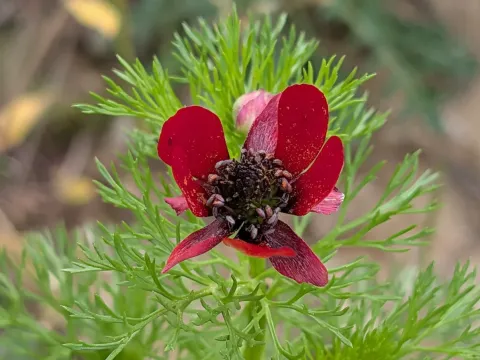
Adonis baetica
Adonis baetica
Adonis baetica is a perennial herbaceous plant classified within the family Ranunculaceae. Originating from the Iberian Peninsula, this plant is known for its distinct botanical structure and specific adaptation to the Mediterranean climate.
What the section contains
Adonis baetica
The plant thrives in well-drained, calcareous soils, often found in rocky, open habitats. It exhibits remarkable drought tolerance, which is essential for survival during the dry summers of its native geographic distribution.
Optimal growth requires full sun exposure; therefore, the cultivation site must be free from any shade. Proper site selection is critical to ensuring the plant receives the thermal accumulation needed for its early spring flowering cycle.
Climatic requirements involve moderate winter temperatures and sufficient drainage to prevent root damage during rainy periods. In colder regions, protective mulching is necessary to ensure the survival of the dormant root system.
In terms of agricultural or horticultural use, Adonis baetica is mainly utilized as a specialized ornamental plant in rock gardens. Its deeply dissected leaves and brilliant yellow flowers make it a highly sought-after species for botanical collections.
The primary threats to Adonis baetica include fungal pathogens that flourish in poorly drained soil, leading to root and crown rot.
Pests such as aphids are frequently observed, particularly in early spring when they target the succulent new growth and developing flower buds.
Nematodes can cause significant damage to the root system, potentially weakening the plant and increasing its susceptibility to secondary infections.
Botrytis or grey mold may occur if stagnant air and high humidity are present around the foliage, requiring immediate intervention with suitable fungicides.
Maintaining proper spacing and ensuring adequate soil aeration are the most effective cultural practices to mitigate the risk of pest and disease outbreaks.