
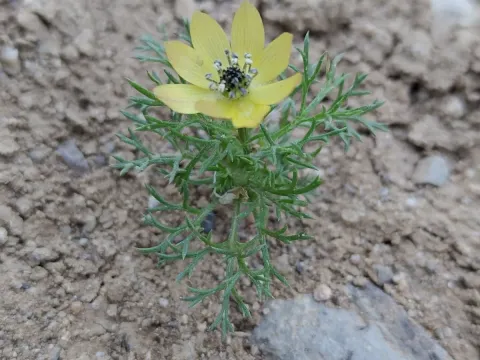
Adonis microcarpa
Adonis microcarpa
Adonis microcarpa is an annual herbaceous plant belonging to the Ranunculaceae family. Native to the Mediterranean region, it has gained attention for its specific pharmacological properties, making it an object of interest for specialized agricultural production.
What the section contains
Adonis microcarpa
Botanically, the plant features finely divided foliage and distinct solitary flowers. Its life cycle is adapted to relatively arid environments, which influences its physiological needs during the growing season in controlled settings.
The plant requires well-drained, sandy loam soils with a neutral pH level. Proper site selection is crucial, as the species is highly susceptible to waterlogging, which can rapidly lead to root decay and overall crop failure.
In terms of climatic conditions, Adonis microcarpa thrives in areas with high solar radiation and moderate rainfall. Consistent sunlight is necessary for the development of its active chemical components, which are essential for its medicinal use.
Cultivation should be focused on providing adequate space between plants to ensure good airflow. This plant is primarily cultivated for the pharmaceutical industry, where its extracts are utilized in cardiac medications.
The most common disease affecting this crop is powdery mildew, which proliferates during periods of high humidity and poor ventilation. Maintaining dry foliage is a primary objective for managing this risk.
Insect pests, such as aphids, can cause significant stress to the plants by feeding on sap and spreading viral pathogens. Integrated pest management strategies, including the use of beneficial insects, are recommended for large-scale production.
Root rot represents a critical threat when soil moisture levels are not strictly managed. Avoiding over-irrigation is essential to prevent the accumulation of soil-borne pathogens that compromise the health of the plant.
Weed control is vital, particularly in the early stages of the crop's development. Due to its slow growth, the plant can be easily overwhelmed by faster-growing competitive vegetation if fields are not adequately maintained.
Following strict harvest protocols is necessary to avoid post-harvest fungal contamination. Proper drying techniques in climate-controlled environments ensure the stability and safety of the final medicinal raw material.