
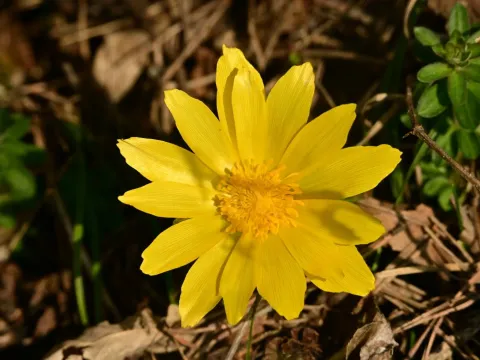
Adonis
Adonis L.
Adonis (Adonis L.), a member of the Ranunculaceae family, requires specific conditions for successful germination. Seeds are usually sown in the autumn as they need a long period of natural stratification in cold soil to break dormancy.
What the section contains


Adonis
For spring sowing, seeds must undergo artificial stratification in a refrigerator for at least three months. Failure to perform this step often results in zero germination or very weak development of the seedlings during the first year.
When sowing, seeds should be placed at a depth of 1–2 centimeters in loose, nutrient-rich soil. Keeping the surface slightly moist is crucial until the seedlings emerge, which may take several weeks due to the slow initial growth rate.
Vegetative propagation is achieved by dividing mature rootstocks during the dormant phase. The best time for this is late summer, once the foliage has begun to yellow, allowing the plant to recover before the winter frosts arrive.
Young plants develop very slowly, often spending the first two years building a robust root system. During this establishment period, intensive weeding and consistent moisture management are essential to ensure the survival of the young crop.
Adonis thrives in open, sunny locations but can tolerate light shade during the hottest part of the day. The soil should be well-draining, loose, and rich in calcium, making neutral to slightly alkaline loams the ideal growing medium.
Waterlogging is the primary enemy of Adonis. Choosing a site with excellent natural drainage is vital, as stagnant water in the root zone quickly leads to root rot and complete loss of the plantation, especially during early spring snowmelt.
This genus is highly frost-hardy and well-adapted to continental climates. Once established, Adonis can survive severe winters without any protective covering, provided the ground remains relatively stable and is not subjected to repeated freeze-thaw cycles.
The soil pH should ideally remain neutral or slightly alkaline. If the soil is acidic, agricultural lime or dolomite should be applied well in advance of planting to create an environment where the plant can effectively absorb essential nutrients.
Fertilization should be done sparingly, focusing on organic amendments like compost. High nitrogen levels should be avoided, as they promote excessive vegetative growth at the expense of floral development and overall plant hardiness.
Aphids are the most common pests, targeting tender new growth and developing buds in the spring. Integrated pest management, including the use of soaps or systemic organic insecticides, is recommended to keep populations below damaging levels.
Gray mold (Botrytis) can become a major threat in humid, stagnant conditions. Proper spacing between plants is the best preventative measure to ensure good airflow and reduce the humidity levels around the foliage and crown.
Root rot is almost exclusively caused by poor soil drainage and overwatering. If plants show signs of yellowing or wilting despite adequate rainfall, the drainage system of the site should be evaluated immediately to prevent total crop loss.
Powdery mildew may occur in late summer if the weather is hot and dry with high evening humidity. Maintaining plant health through proper site selection and using biological fungicides can help manage these outbreaks effectively.
Nematodes can infest the root system, causing stunted growth and chlorotic foliage. Crop rotation and using disease-free planting material are essential strategies to prevent the buildup of soil-borne pathogens in commercial production areas.
The medicinal raw material consists of the aerial parts of the plant, harvested specifically during the full flowering stage. This is when the concentration of active cardiac glycosides is highest, ensuring the quality of the pharmaceutical product.
Harvesting involves cutting the stems 5–10 centimeters above the ground. It is critical not to pull the plant from the soil, as preserving the root system allows the plant to regenerate for future harvests over several seasons.
Drying must be performed quickly in a shaded, well-ventilated area or a controlled drying cabinet. Temperatures must not exceed 50 degrees Celsius, as excessive heat can degrade the active compounds, rendering the harvested material ineffective.
After drying, the product should be stored in dry, light-proof containers. Proper storage in a cool place protects the potency of the medicinal substances and ensures compliance with quality standards for herbal ingredients.
Since Adonis contains potent active compounds, all harvesting and handling operations must be conducted with caution. Strict adherence to safety protocols is required to prevent accidental exposure and maintain the integrity of the herbal harvest.