
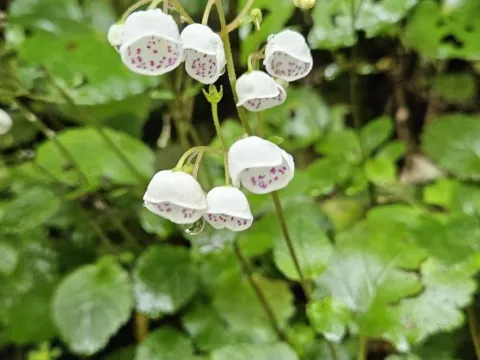
Jovellana
Jovellana
Jovellana is a fascinating genus of plants belonging to the Calceolariaceae family, native primarily to Chile and New Zealand. These plants are prized by gardeners for their unique, pouch-shaped, spotted flowers that bloom in delicate clusters.
What the section contains


Jovellana
To cultivate Jovellana successfully, you must replicate its natural cool and humid habitat. The plant thrives in semi-shaded locations where it is protected from harsh, direct sunlight, which can easily damage its foliage and stunt its growth.
Soil requirements are strict: the medium must be light, well-draining, and rich in organic matter. A mixture of peat moss, leaf mold, and perlite is ideal to ensure that the delicate root system receives enough oxygen while retaining necessary moisture.
Irrigation practices play a vital role in Jovellana maintenance. The soil should remain consistently moist but never waterlogged. Overwatering is the most common mistake, leading to rapid root rot that can be difficult to reverse once symptoms appear.
Temperature management is crucial for the health of the plant. Jovellana prefers cool environments and struggles in temperatures exceeding 22–25 degrees Celsius. In many climates, this plant is best managed in greenhouses or as a seasonal container plant.
Fungal diseases represent the most significant threat to Jovellana, particularly during periods of high humidity or poor airflow. Root rot and gray mold (Botrytis) are frequently triggered by stagnant water and overly dense soil mixtures.
Pests such as spider mites and aphids are common intruders, especially when the indoor air becomes too dry. These pests target the underside of leaves and can quickly cause the plant to weaken if left unchecked.
Maintaining a clean growing environment is the best defense against infestations. Regularly removing fallen leaves and ensuring good ventilation around the plant reduces the risk of fungal spores taking hold and spreading.
Should pests be detected, immediate treatment with insecticidal soaps or specific horticultural oils is recommended. It is essential to treat all surrounding plants to prevent re-infestation and keep the collection healthy.
Systematic monitoring is the key to successful cultivation. By observing the plant for slight color changes in the leaves or signs of wilting, the grower can intervene early before a minor issue becomes a major horticultural disaster.