
Jovellana violacea
Jovellana violacea
Description
Growing requirements
Jovellana violacea is a member of the Calceolariaceae family. This evergreen perennial originates from the forests of Chile, where it thrives in humid and sheltered microclimates.
The plant requires a cool, shaded environment to mimic its natural habitat. It does not tolerate high heat or direct sunlight, which can scorch the delicate foliage and reduce flowering.
Ideal soil conditions include a loose, well-draining, and nutrient-rich mix that is slightly acidic. Good drainage is critical, as stagnant water is fatal for this species' sensitive root system.
In cooler climates, Jovellana violacea is strictly a container plant. It should be kept outdoors during the growing season and moved into a frost-free greenhouse or conservatory during winter months.
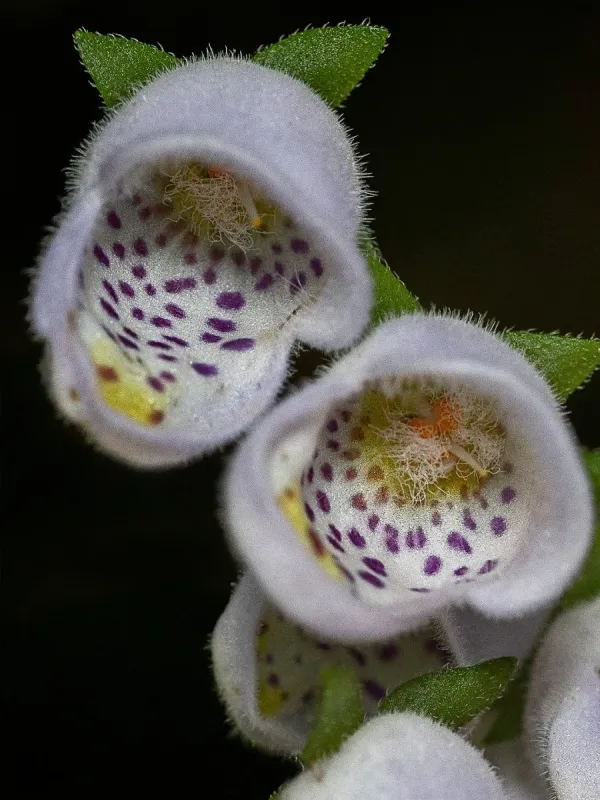
Morphologically, it is known for its graceful, sprawling habit and unique bell-shaped flowers, which feature a purple hue accented with distinctive dark spots, attracting pollinators.
Main diseases and pests
Spider mites and aphids are the most common pests affecting Jovellana violacea, particularly when the surrounding air humidity is not sufficiently maintained.
Fungal issues such as root rot frequently occur if the substrate remains saturated for too long, necessitating careful monitoring of irrigation levels throughout the growing season.
Powdery mildew may also impact the plant if there is poor air circulation, making it important to space containers appropriately in greenhouses or display areas.
Integrated pest management strategies are recommended, including regular inspection of leaf undersides and the use of insecticidal soaps at the first sign of infestation.
Maintaining high hygiene in the garden environment, including the removal of dead leaves, prevents the accumulation of pathogens that could compromise the plant's health.