

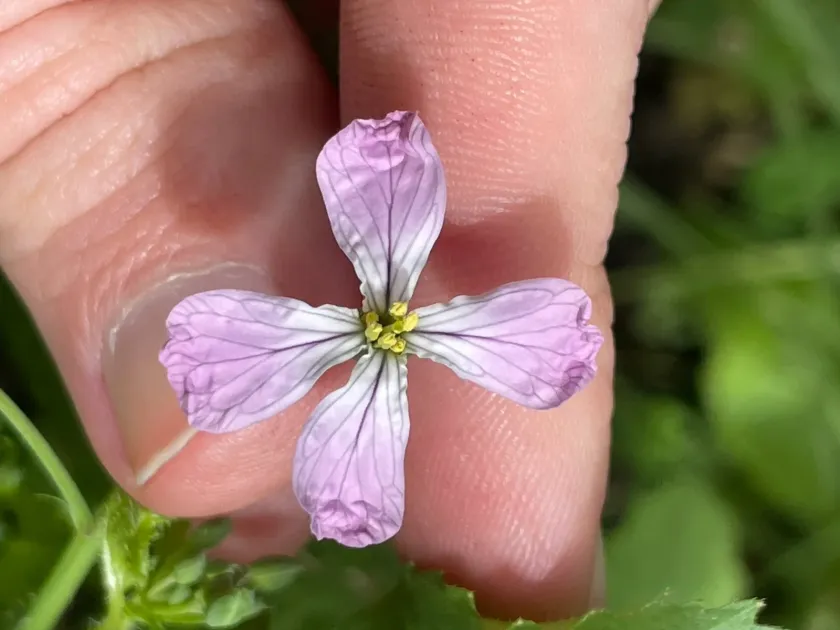
Description
Sowing dates
Radish (Raphanus sativus L.) is a fast-growing root crop belonging to the Brassicaceae family. It is highly valued for its short vegetation cycle, which allows for multiple harvests within a single growing season.
Sowing in open ground typically begins in early spring as soon as the soil can be worked. Seeds germinate rapidly at temperatures as low as 5°C, making it an ideal choice for the first crops of the season.
To ensure a continuous supply of fresh produce, seeds should be sown in successions every 10 to 14 days. This staggered approach helps manage market demand and prevents the over-ripening of the entire crop simultaneously.
For summer cultivation, it is essential to choose heat-resistant and slow-bolting varieties. Long daylight hours and high temperatures during summer months trigger flowering, which redirects energy away from root formation.
Proper spacing is crucial; seeds should be sown at a depth of 1.5–2 cm. Thinning seedlings is a mandatory practice to provide enough space for individual roots to reach their full potential without competition.
Growing requirements
Radishes thrive in cool, moist conditions. Consistent soil moisture is the primary requirement; fluctuations between drought and over-watering frequently lead to cracked or woody roots that are unpalatable.
Well-drained, sandy loam soils with a neutral pH (6.0–7.0) are ideal. Heavy clay soils tend to deform the roots, resulting in irregular shapes and stunted growth, which reduces the market value of the crop.
While radishes prefer full sun, they require some shade during hot summer days to prevent soil temperature spikes. Shading nets are effective tools in maintaining optimal microclimate conditions for root development.
The ideal temperature range for radish production is between 15°C and 20°C. If temperatures exceed 25°C, the plants become stressed, leading to rapid bolting and poor quality of the root tissue.
Fertilization should be managed carefully; high nitrogen levels promote excessive leaf growth at the expense of root enlargement. A balanced NPK ratio is generally recommended to ensure healthy plant architecture.
Yield
Under optimal management, radish yields can range between 1.5 and 3 kg per square meter. The final yield is highly dependent on the choice of cultivar, soil fertility, and irrigation precision.
In high-tech greenhouse environments, yields can be maximized by utilizing F1 hybrid seeds that offer uniform maturation and consistent root shape, ensuring high efficiency for industrial production.
Thinning and weed control are the most significant factors influencing yield. Uncontrolled weeds compete for moisture and nutrients, drastically reducing the percentage of harvestable, top-quality roots.
The harvest index is high for this crop, as nearly all parts of the plant are manageable, but the root quality is the primary metric. Uniformity is achieved through precise sowing rates and controlled environmental factors.
Efficient harvesting techniques, including mechanical pulling or manual grading, are used to maximize output. A successful crop cycle results in a high percentage of marketable produce with minimal wastage.
Main diseases and pests
The most notorious pest for radishes is the flea beetle (Phyllotreta spp.), which creates small holes in leaves. Heavy infestations can decimate a crop in the seedling stage, making protective mesh or netting essential.
Fungal diseases like Alternaria leaf spot and Anthracnose are common under high-humidity conditions. Proper spacing and airflow are the best preventative measures to mitigate these risks in the field.
Serious soil-borne threats include Sclerotinia rot, Southern blight (Sclerotium rolfsii), and Verticillium wilt. These pathogens persist in the soil, highlighting the importance of crop rotation with non-brassica species.
Root-knot nematodes are particularly devastating, as they cause galls on roots, making the produce unusable. Management involves keeping the soil clean and avoiding fields with a known history of infestation.
Common scab, caused by Streptomyces bacteria, can result in unsightly lesions on the skin of the radish, which negatively impacts consumer acceptance even if the interior remains edible.
Harvesting
Harvesting should be conducted selectively. As roots reach the desired size, they must be pulled to maintain quality. Leaving radishes in the ground for too long leads to pithiness and internal cavities.
The optimal time for harvest is early morning. Lower temperatures during this time ensure that the plants are turgid and have higher water content, leading to a crisper texture and better post-harvest shelf life.
Post-harvest, the foliage should be trimmed immediately. Leaves act as a major source of water loss, and if left attached, they cause the root to dehydrate and lose its characteristic crunch within hours.
Cooling the produce to 0–2°C immediately after harvest helps preserve its freshness. High humidity storage is critical to prevent shriveling during transportation or short-term retail storage.
Grading for size and cleanliness is a necessary step before marketing. Providing a clean, sorted product increases consumer appeal and allows for premium pricing in competitive vegetable markets.
In brief
31
Crop diseases
Content graph
Crop diseases · 31
Alternaria leaf spotAnthracnoseBacterial leaf spotBacterial soft rotBlack root rotBlack rotCauliflower mosaicCercospora leaf spotClubrootCommon scabCrown gallDolichodorusDowny mildew, stagheadFusarium wiltGray moldLate blightPhoma leaf spotPhoma stem cankerPink root rotPlant phytoplasmaPowdery mildewRadish mosaicRingspotRoot-knot nematodeSclerotinia rotSorghum and maize downy mildewSouthern blightTurnip mosaicVerticillium wiltWhite leaf spot of oilseed rapeWhite rust of crucifers
Content graph
Connections · Radish
Most often together:
Marketplace
Products · 3

