
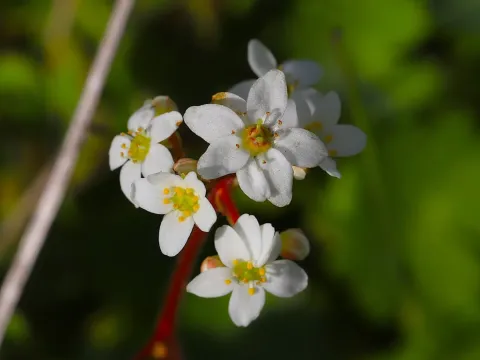
Micranthes
Micranthes
Micranthes is a genus of perennial herbaceous plants belonging to the Saxifragaceae family. Historically, these plants were part of the Saxifraga genus, but recent phylogenetic studies have confirmed their status as a distinct taxonomic group based on reproductive morphology.
What the section contains


Micranthes
These plants are native to the Northern Hemisphere, often found in arctic and alpine environments. Their natural habitat encompasses rocky slopes, tundra, and moist mountain meadows, reflecting their adaptation to harsh, cold climates and low-nutrient substrates.
When cultivating Micranthes, it is crucial to mimic their native habitat. They require soil with excellent drainage to prevent root rot. A mix of gritty, mineral-rich soil is preferred, ensuring that moisture passes through easily while keeping the root zone slightly damp.
The climate requirements include a preference for cool temperatures and moderate light. They thrive in regions with significant temperature fluctuations between seasons, exhibiting extreme cold hardiness that allows them to survive rigorous winters in temperate and subarctic zones.
Standard horticultural practice for this genus focuses on minimizing root disturbance and maintaining appropriate humidity. Providing a layer of gravel around the crown of the plant can significantly improve the longevity and health of the specimen in garden settings.
The primary threats to Micranthes are fungal pathogens, specifically those that flourish in poorly drained or overly humid conditions. Damping-off and root rot are significant risks if water is allowed to pool around the plant base during warmer months.
Pest issues include common garden pests such as aphids and spider mites. These organisms can drain the plant of nutrients and stress the foliage, especially when the plants are grown in confined or poorly ventilated conditions like greenhouses or dense borders.
Integrated pest management is recommended for this genus. This includes ensuring adequate spacing between plants to allow for airflow and constant monitoring of leaf undersides where pests are likely to establish colonies.
Fungal control involves cultural adjustments first, such as reducing watering frequency or improving drainage capacity of the substrate. If infection persists, the use of organic fungicides or copper-based treatments may be necessary to save the plant.
Maintaining a clean growing environment by removing dead foliage and debris is essential for minimizing the buildup of pathogens. Healthy plants with established root systems are generally resilient to moderate pest infestations.