
Mitella
Mitella
Mitella is a genus of perennial herbaceous plants belonging to the Saxifragaceae family. These plants are native to temperate regions of the Northern Hemisphere, typically inhabiting moist, shaded environments such as woodlands and ravines.
What the section contains


Mitella
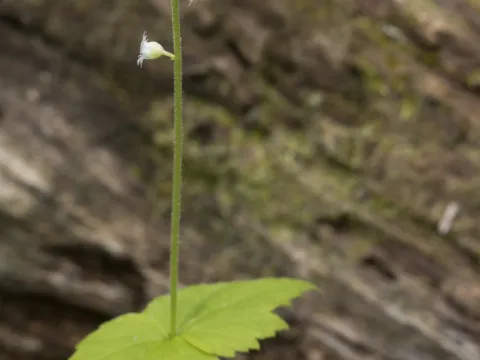
The plant is defined by a basal rosette of rounded or kidney-shaped leaves, often characterized by fine hair. Its slender scapes bear racemes of small, delicate flowers that are notable for their intricate, fringed petal structure.
When cultivating Mitella, it is essential to provide a location with partial to deep shade. The species performs best in protected areas where it is shielded from the intense heat of the afternoon sun, as excessive light can damage its sensitive foliage.
The soil requirements for optimal growth include a rich, humus-based substrate that remains consistently moist. Well-draining soil is crucial, as the plant demands moisture but cannot survive in waterlogged conditions that lead to crown rot.
In terms of agricultural and horticultural use, Mitella is primarily cultivated as an ornamental ground cover. Its ability to thrive in deep shade makes it an excellent choice for woodland gardens, rock gardens, and areas underneath deciduous trees.
Slugs and snails are the most significant pests for Mitella, as they are attracted to the succulent leaves in damp environments. Gardeners often use physical barriers like crushed eggshells or copper tape to protect the plants.
Fungal diseases, including leaf spot and powdery mildew, may affect the plants if the air circulation is inadequate. Maintaining proper spacing between plants helps to reduce humidity and prevent these outbreaks.
Root rot is a major threat caused by poor drainage and excessive moisture around the base of the plant. Ensuring the soil structure is friable and well-aerated is the best strategy to prevent this condition.
Regular maintenance, such as removing old or decaying foliage in the autumn, helps to prevent the spread of pathogens. This practice also ensures that the plant enters the dormant season without excess moisture-trapping debris.
While chemical pesticides can be used, integrated pest management (IPM) is preferred to maintain the ecological balance in garden beds. Monitoring the moisture level and ensuring light grooming of the site typically keeps the plant healthy.