
Kidney saxifrage
Saxifraga hirsuta
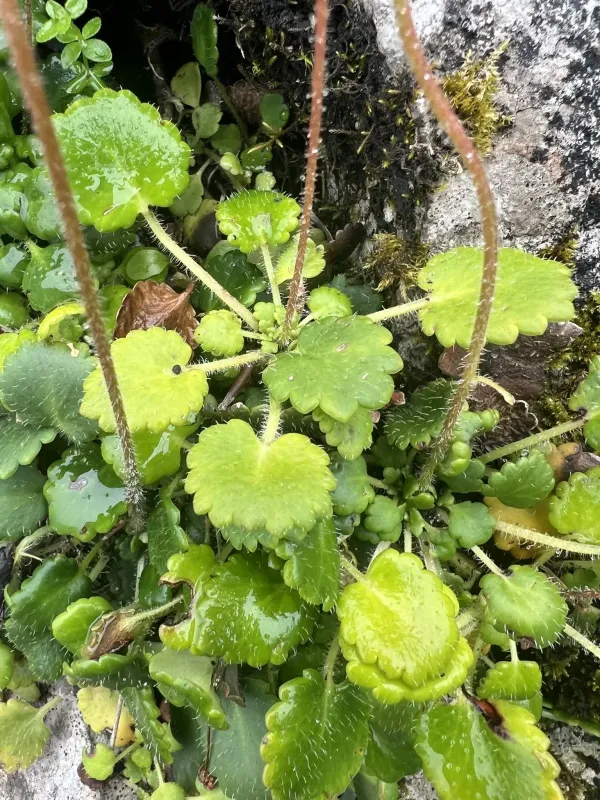
Description
Sowing dates
Propagation of the kidney saxifrage (Saxifraga hirsuta) is typically achieved through seed sowing or vegetative division of mature clumps. Sowing in protected environments like cold frames or containers should take place in early spring.
The seeds are exceptionally small, requiring surface sowing on moist, well-structured compost. Press the seeds gently into the substrate and avoid burying them, as they require light to germinate effectively.
Cold stratification is a highly recommended practice for this species. Keeping the seeds in a cool environment for several weeks before sowing significantly improves germination rates and helps synchronize seedling growth.
Vegetative division is best performed immediately after the flowering season, typically in early summer. Carefully separate the rosettes, ensuring that each division has a portion of the root system to facilitate rapid establishment.
Transplanting to the final location in the garden should occur once the danger of late spring frost has passed. Spacing plants approximately 15–20 cm apart allows for optimal growth and air circulation around the rosettes.
Growing requirements
As a member of the Saxifragaceae family, the kidney saxifrage thrives in cool, moist, and shaded environments. It is an excellent candidate for north-facing rock gardens or borders that receive filtered light rather than direct midday sun.
The ideal soil is humus-rich, loose, and well-draining. While the plant loves moisture, it is sensitive to waterlogged conditions, which can lead to crown rot; incorporating grit or sand is essential for heavier soils.
Maintaining consistent soil moisture is crucial, especially during hot summer months. Applying organic mulch, such as leaf mold, helps retain moisture and keeps the roots cool during peak temperature periods.
The plant prefers a neutral to slightly acidic pH. While it does not require heavy fertilizing, an occasional application of a balanced, liquid feed during the active growth phase can encourage lush foliage and healthier flowering.
Winter hardiness is moderate. In regions with harsh winters and lack of snow cover, providing a light protective layer of mulch or horticultural fleece can protect the evergreen rosettes from frost desiccation and wind damage.
Main diseases and pests
Fungal diseases are the most prevalent threats to the kidney saxifrage, particularly when air circulation is poor or humidity levels remain excessively high. Downy mildew and various rots can quickly compromise the health of the rosettes.
Slugs and snails are major pests that find the succulent leaves of the saxifrage highly palatable. Implementing physical barriers or using pet-safe molluscicides during damp weather is often necessary to prevent significant damage.
Red spider mites may become an issue in exceptionally hot and dry conditions. Regular observation and increasing ambient humidity through misting can help prevent mite infestations from becoming established.
Crown rot is primarily a physiological consequence of poor drainage or incorrect watering. To prevent this, ensure that the soil level is well-aerated and avoid overhead watering that keeps the crown of the plant wet for extended periods.
Nematodes are less common but can impact root health, leading to stunted foliage and yellowing. Using sterilized potting mix and maintaining good overall plant vigor are the best defensive strategies against such soil-borne pathogens.