
Micranthes clusii
Micranthes clusii
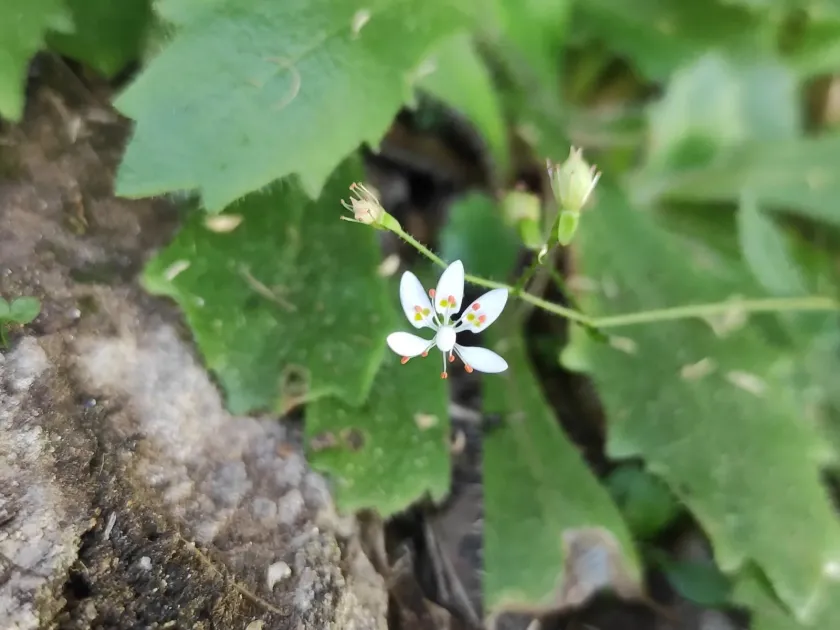
Description
Growing requirements
Micranthes clusii is a perennial herbaceous plant belonging to the Saxifragaceae family. This species originates from mountainous regions where it has evolved to thrive in high-altitude environments characterized by rocky slopes, cool temperatures, and high humidity levels.
Botanically, it is identified by its basal rosette of fleshy leaves, which may show serrated margins. The inflorescence develops on stalks growing 15 to 30 cm tall, bearing clusters of small white to creamy flowers, a morphology that marks its distinctive aesthetic appeal in horticultural settings.
The climate requirements for this plant focus on avoiding intense heat and direct sunlight. It requires consistent cool conditions to maintain its physiological balance, making it suitable for northern regions or sheltered locations in temperate climates where high temperatures are moderated.
Soil conditions are critical for its cultivation; the substrate must be well-drained, porous, and rich in organic matter. A mixture of soil and fine mineral aggregates like gravel is recommended to ensure the root system is well-aerated and protected against oxygen deprivation.
The primary agricultural and horticultural use of Micranthes clusii lies in rock garden landscaping and alpine floral displays. Its hardiness to frost and low demand for intensive fertilization make it an ideal subject for specialized garden collections and cool-climate landscape designs.
Main diseases and pests
Root rot is the most significant threat to Micranthes clusii, primarily driven by waterlogged soil conditions. Inadequate drainage leads to the rapid decay of the root system, which quickly affects the viability of the entire rosette structure.
Pests such as spider mites can cause considerable damage, especially during warmer, drier intervals in the growing season. Infestations typically result in chlorosis and physical decline of the leaves, necessitating timely application of miticides or physical removal.
Fungal pathogens, including powdery mildew, can establish themselves if air circulation around the plants is poor. Maintaining adequate spacing and ensuring the foliage remains dry during irrigation are key preventive measures against fungal outbreaks.
Soil-borne larvae, such as those of the vine weevil, can feed on the roots, causing significant stress and potentially killing the plant. Management strategies include soil treatment before planting and monitoring the base of the rosettes for signs of larval feeding.
Overall plant health is largely dependent on strict adherence to watering regimes and site selection. By minimizing moisture stress and providing a suitable substrate, the risk of disease and pest infestation is substantially reduced for this alpine perennial.