
Musky saxifrage
Saxifraga moschata
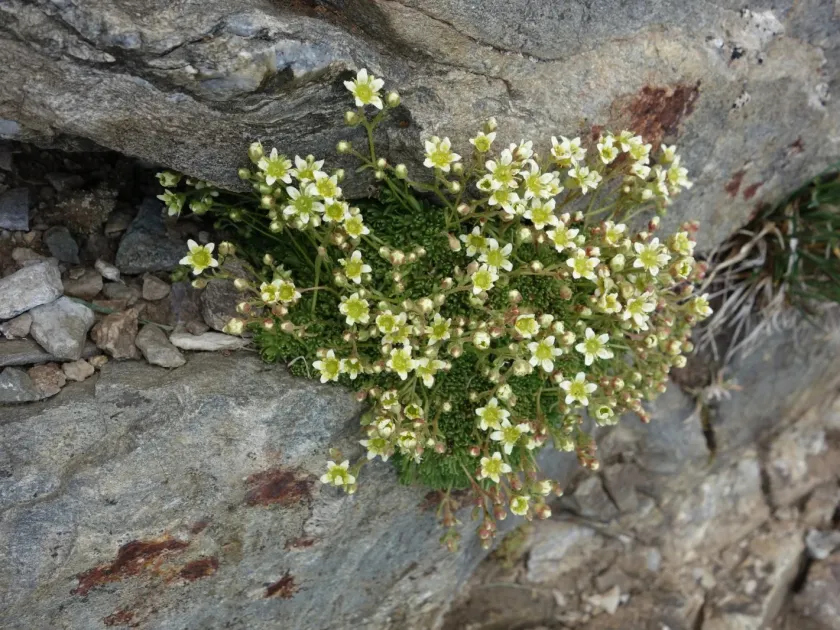
Description
Sowing dates
Sowing of Musky saxifrage seeds is typically performed in late winter or early spring using seed trays filled with a light, well-draining substrate. Given the minute size of the seeds, they should be surface-sown and only lightly pressed into the soil.
For optimal germination rates, the seeds benefit from a period of cold stratification at temperatures between +2 and +5 degrees Celsius for about one month. This process breaks dormancy and ensures uniform sprouting once conditions warm up.
Transplanting seedlings into the garden should occur in late spring after all risks of frost have passed. Plants must be spaced approximately 15 to 20 centimeters apart to allow sufficient airflow, which is critical for preventing fungal issues.
Vegetative propagation via division of established clumps is a reliable alternative to seed sowing. This task is best completed in early spring or late August, ensuring the plants have ample time to re-establish their root systems before the winter season.
Selecting the right location is paramount for the health of the plant. In regions with intense heat, partial shade is essential to protect the delicate rosettes from scorching afternoon sun, while ensuring they still receive enough light to remain compact.
Growing requirements
Musky saxifrage (Saxifraga moschata), a member of the Saxifragaceae family, is a specialized plant adapted to alpine or rocky environments. It requires a loose, gritty soil profile with excellent drainage capabilities to mimic its natural habitat.
Proper water management is the most critical aspect of caring for this species. While it enjoys consistent moisture, it cannot tolerate waterlogged soil, which leads to rapid crown rot and the decline of the plant colony.
The plant thrives in cool, temperate climates where air circulation is good. In warmer garden zones, providing a gravel mulch around the base of the plant helps keep the root zone cool and prevents foliage from touching damp soil surfaces.
Regarding fertilization, this saxifrage performs best in lean soils. Excessive nitrogen encourages weak, leggy growth and diminishes the plant's natural, dense form, making it more susceptible to environmental stress and pests.
Maintenance tasks include the occasional removal of spent flower stalks to keep the plant tidy. A thin layer of grit or decorative stone placed around the plant perimeter will assist in moisture evaporation and provide a clean look for the rock garden display.
Main diseases and pests
Slugs and snails are the primary pests of Musky saxifrage, often targeting the lush foliage during damp weather. Implementing protective barriers or using organic baits can significantly reduce the damage caused by these mollusks.
Root rot and crown rot represent the most significant disease threats to the plant, usually triggered by poor drainage or excessive humidity. Ensuring that the soil is sufficiently porous is the best preventative measure against these issues.
Aphids may occasionally infest the flower stalks, leading to stunted growth. If found, a gentle application of insecticidal soap or a localized water spray can effectively manage the population without harming the plant's delicate tissues.
Fungal leaf spots can appear if plants are overcrowded or if irrigation is performed overhead. It is always recommended to water at the base of the plant to keep the leaves dry and to facilitate proper air movement throughout the patch.
Nematodes represent a more complex challenge as they affect the root system directly. To minimize the risk, always source high-quality, sterile potting mixes and ensure that you are not introducing pests via soil brought from other unknown environments.