
Nelson's saxifrage
Micranthes nelsoniana
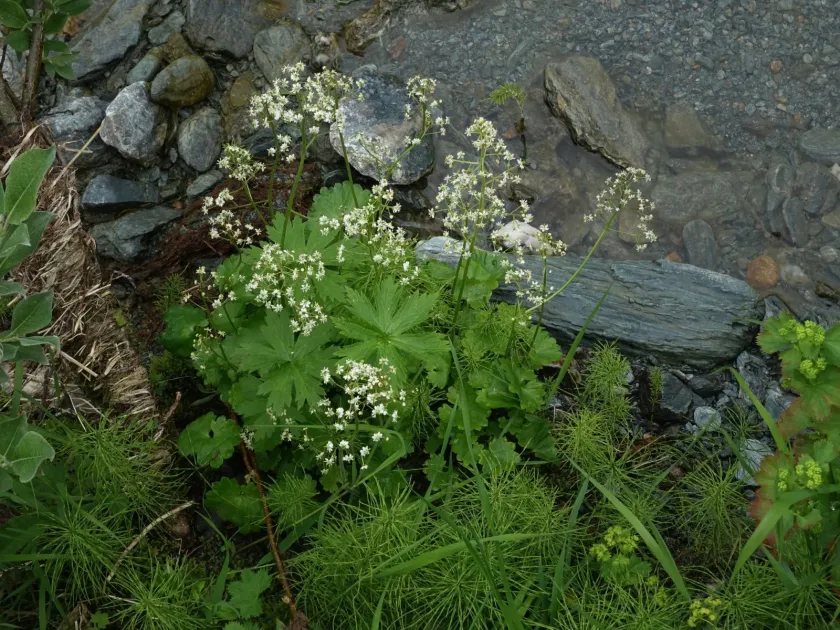
Description
Sowing dates
Nelson's saxifrage (Micranthes nelsoniana) is a perennial member of the Saxifragaceae family. This species typically thrives in moist, rocky environments and reproduces via seeds or clonal offset propagation.
For cultivation, seeds are sown in autumn for winter stratification or in early spring after artificial chilling. Seeds are exceptionally small and require surface sowing on a well-draining mineral-rich substrate.
Maintaining a stable moisture level is critical during the germination phase. The soil should be misted regularly rather than watered with a heavy stream, which could wash away the delicate seeds.
When starting indoors, seeds should be placed in a cold environment at temperatures between 1-5°C for 4 to 6 weeks. This mimics the natural climatic cycle and breaks seed dormancy effectively.
Seedlings are slow-growing and require patience. Once they reach the true leaf stage, they can be carefully transplanted into pots or directly into a shaded rock garden with coarse aggregate.
Growing requirements
The plant demands a cool climate and protection from intense heat and direct sunlight. It is naturally adapted to arctic and alpine regions where temperatures remain relatively low throughout the year.
A well-draining, slightly acidic to neutral soil composition is required for healthy growth. The substrate must include a high proportion of grit, sand, or volcanic rock fragments to ensure drainage.
Optimal placement is a north-facing site or an area with light, dappled shade. Constant heat during the summer months is a major stress factor that can lead to rapid plant decline.
Watering should be consistent but cautious. While the root system likes consistent moisture, it must never become waterlogged, as stagnant water is fatal to most Saxifrage species.
The plant is exceptionally hardy and capable of surviving sub-zero winter temperatures without needing artificial shelter. Mulching with small stones helps keep the root crown cool during warmer periods.
Main diseases and pests
Root rot is the most frequent ailment caused by poor soil aeration and excess water. It typically manifests as blackening of the base and subsequent collapse of the leafy rosettes.
Powdery mildew can occur if the plants are placed in areas with stagnant air or high humidity without adequate ventilation. Keeping the foliage dry is a crucial preventive measure.
Slugs and snails are the primary pests that damage the succulent leaves of the rosettes. They are most active during damp, cloudy weather and require monitoring.
Aphids occasionally target the tender flower spikes. If infestation occurs, a mild soap solution or organic insecticide is usually sufficient to control the population without damaging the foliage.
Nematode infestations can occur in the soil, affecting nutrient uptake. Rotating planting sites or sterilizing the soil mix before planting can mitigate the risk of these microscopic pests.