
Meadow saxifrage
Saxifraga granulata
Description
Sowing dates
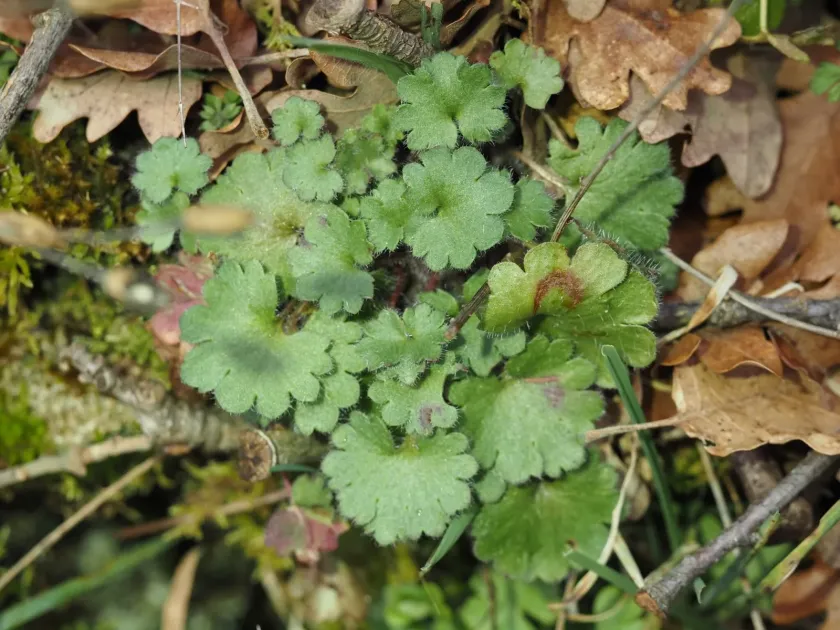
Meadow saxifrage (Saxifraga granulata) is a herbaceous perennial belonging to the Saxifragaceae family. It is uniquely identified by the presence of small, grain-like bulbils at the base of the stem, which are primary organs for vegetative propagation.
For cultivation, seeds should be sown in the autumn. Subjecting them to cold, moist conditions (stratification) is essential for breaking dormancy and ensuring high germination rates in the following spring season.
When sowing in containers, use a well-draining, grit-heavy compost mix. Seeds should be sown on the surface and pressed down gently, as they require light to germinate properly. Avoid covering them with thick layers of soil.
Once seedlings develop their first true leaves, they should be spaced approximately 15 to 20 cm apart. This spacing is vital to ensure adequate air circulation and prevent the development of moist microclimates that encourage fungal diseases.
The plant thrives in temperate climates and is highly regarded for its ability to naturalize in meadows and rock gardens, provided it is given enough space to develop its complex root system.
Growing requirements
Meadow saxifrage prefers moist, well-drained soils. While it appreciates regular moisture during the spring growth phase, it is highly sensitive to waterlogged conditions, especially in heavy or clay-based soils.
Optimal growth occurs in sunny to partially shaded locations. Exposure to morning sunlight is beneficial, but the plant often enters a dormant stage earlier if subjected to intense, scorching afternoon heat.
The soil should ideally be slightly acidic to neutral. Incorporating organic matter, such as leaf mold or well-rotted compost, provides necessary nutrients while maintaining the soil structure that the plant requires for its bulbils to thrive.
During the flowering period in spring, ensure the soil remains consistently moist. However, once the plant enters its summer dormancy phase and the above-ground foliage begins to wither, water requirements drop significantly.
The species is remarkably hardy and does not require extensive fertilization. Over-fertilizing, particularly with high-nitrogen formulas, can lead to weak growth and increased susceptibility to pests and diseases.
Main diseases and pests
Root rot is the most significant threat to meadow saxifrage, typically resulting from poor soil drainage or excessive irrigation. Improving soil texture with grit or gravel is the most effective long-term preventative measure.
Powdery mildew can affect the foliage during periods of stagnant air and high humidity. Ensuring adequate spacing between plants and keeping the foliage dry when watering are key cultural controls.
Slugs and snails are major pests that feed on the succulent leaves, especially during damp spring weather. Using copper tape or crushed eggshells around the base can help deter these mollusks from the garden.
Aphids may occasionally cluster on the flower stalks. If an infestation occurs, a gentle spray with a diluted insecticidal soap is usually sufficient to manage the population without harming the plant.
In cases of extremely poor site maintenance, plants can succumb to viral infections, which manifest as stunted or distorted growth. Diseased plants should be removed and destroyed immediately to protect others.