
Micranthes merkii
Micranthes merkii
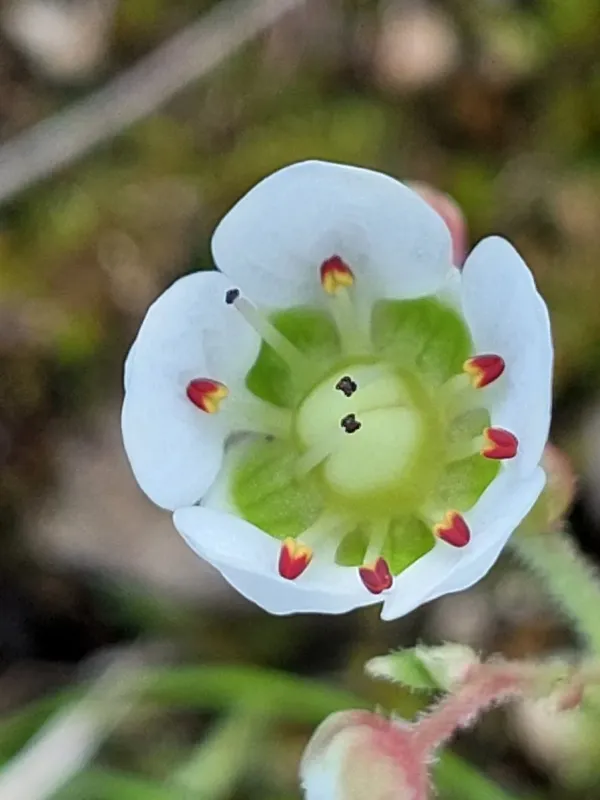
Description
Growing requirements
Micranthes merkii is a perennial herb belonging to the Saxifragaceae family. This species is native to arctic and alpine regions, showing remarkable adaptation to harsh environmental conditions and rocky habitats.
The plant features compact leaf rosettes and a robust root system that helps it anchor into rocky crevices. Its growth habit is prostrate, making it an ideal candidate for specialized alpine garden settings.
Optimal growth requires well-drained, gritty soil that mimics its natural high-altitude environment. Stagnant water is detrimental to the plant, so providing a sloped area with excellent drainage is crucial.
Climatic requirements favor cool, temperate summers and cold winters. Excessive heat often leads to physiological stress, so placement in areas with good airflow is recommended for sustained plant health.
Cultural care involves minimal intervention, including sparse fertilization and careful irrigation. Maintaining a slightly moist but free-draining substrate is the key to promoting longevity and vigor in the plant.
Main diseases and pests
The primary threat to Micranthes merkii is root rot caused by poor soil drainage and high humidity. Ensuring that the crown of the plant stays dry is essential for preventing fungal infections.
Pests such as spider mites may occur in warmer, drier environments. Integrated pest management, including periodic misting or gentle cleaning, can help manage populations without heavy chemical use.
Gastropods like slugs and snails can cause significant damage to the foliage during moist spring conditions. Using copper tape or gravel barriers around the plants can deter these pests effectively.
Winter desiccation and crown rot can occur during periods of snowmelt if the drainage is insufficient. Covering the plants lightly with pine boughs during winter can help protect them from extreme temperature shifts.
Competition from weeds is significant due to the slow-growing nature of the species. Keeping the planting area clear of invasive vegetation is necessary to ensure the plant receives enough light and nutrients.