
Mossy saxifrage
Saxifraga muscoides
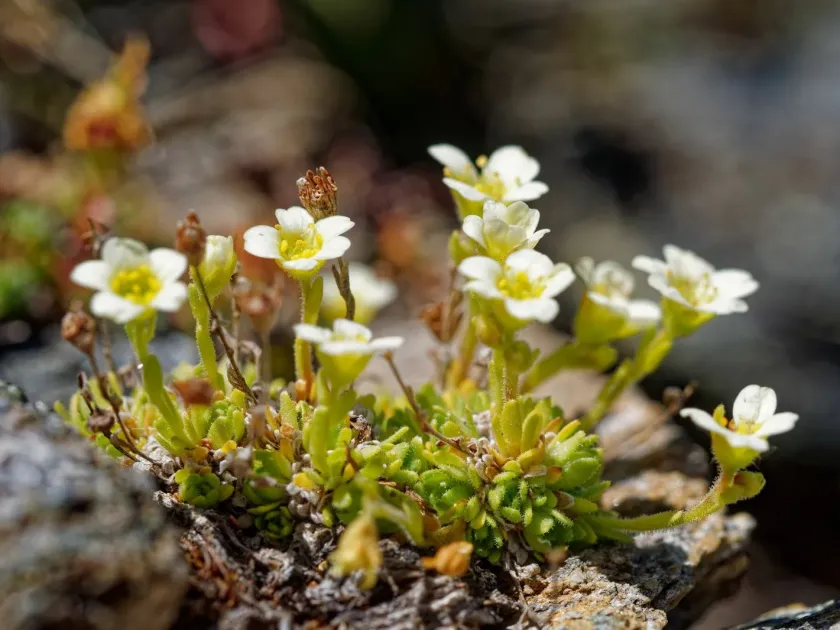
Description
Sowing dates
Seeds of Saxifraga muscoides should be sown in late winter or early spring using a free-draining seed compost. It is crucial to surface-sow the seeds as they require light to germinate effectively.
Cold stratification is a highly recommended step for improving the germination rate of mossy saxifrage seeds. Keeping the seed tray in a cool environment for several weeks before moving it to a warmer spot encourages more uniform growth.
Seedlings should be pricked out into individual small pots once they are large enough to handle. Ensuring the potting medium remains gritty helps prevent the damping-off disease common in young saxifrage plants.
Vegetative propagation is often preferred by gardeners to maintain specific traits. Dividing the mats after flowering allows for the easy production of new, healthy plants that establish quickly.
When transplanting into the garden, ensure the crown of the plant is set at the level of the soil surface. Planting too deep can cause the plant to rot, while planting too shallow can result in the roots drying out.
Growing requirements
Mossy saxifrage belongs to the Saxifragaceae family and is highly regarded for its cushion-forming habit. Native to high-altitude regions, it thrives in environments that offer cool temperatures and excellent drainage.
The plant demands a well-drained, gritty soil that does not hold excess water. Ideally, it should be planted in rock gardens or gaps between stones where the roots can stay cool and protected.
Partial shade is the preferred exposure for this culture, especially during the hottest part of the day. In regions with very hot summers, it is essential to provide shelter to prevent the foliage from scorching.
Regular but moderate watering is necessary during dry spells. However, it is vital to apply water to the base of the plant rather than overhead to keep the foliage dry and healthy.
Minimal fertilization is required for this alpine plant. Overfeeding often leads to soft, leggy growth that is more susceptible to disease and winter damage, reducing the overall longevity of the plant.
Main diseases and pests
Root rot remains the most serious threat to mossy saxifrage, typically caused by poor drainage or overwatering. Once rot sets in, it is difficult to salvage the affected parts of the cushion.
Powdery mildew can occur during periods of high humidity and stagnant air. Providing proper spacing between plants helps ensure good airflow, which is the best defense against fungal infections.
Aphids can be a nuisance during the spring, congregating on the tender flower stalks and new leaves. Regular inspection and the use of insecticidal soap can control these pests effectively.
Slugs and snails find the succulent-like foliage of Saxifraga muscoides particularly attractive. Using physical barriers or organic slug pellets can help protect the plants from significant damage.
General hygiene in the rock garden is the key to preventing the spread of diseases. Prompt removal of dead leaves and debris helps maintain the health of the plants and prevents the accumulation of pests.