
Starry saxifrage
Micranthes stellaris
Description
Growing requirements
Starry saxifrage (Micranthes stellaris) is a herbaceous perennial plant belonging to the Saxifragaceae family. It is naturally adapted to cool, moist environments found in mountainous regions across the Northern Hemisphere, often growing in rocky crevices.
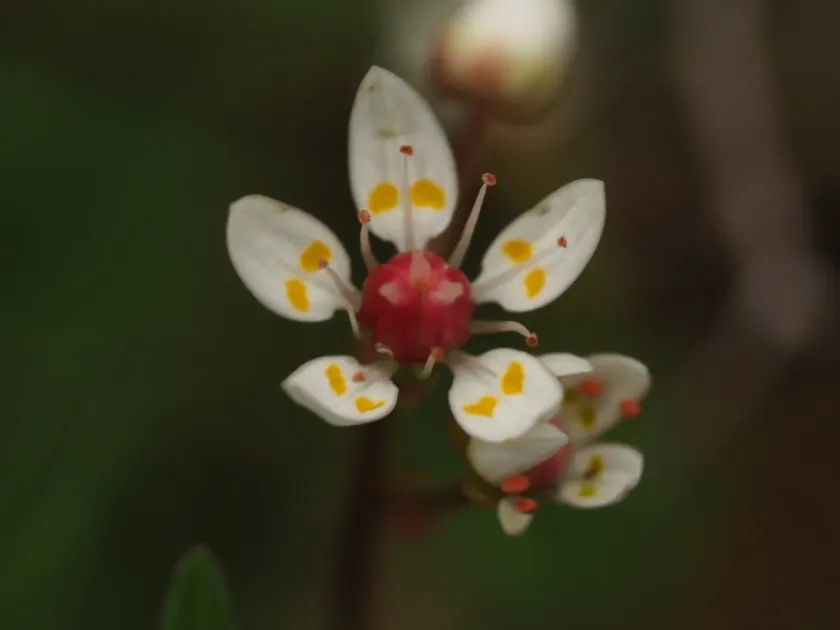
The plant features a basal rosette of oblong, serrated leaves and slender flowering stems. The flowers are distinctive for their star-shaped petals, which are typically white with yellow or reddish markings, adding a delicate aesthetic value to alpine landscapes.
Successful cultivation requires a growing medium that offers excellent drainage while maintaining constant moisture. The species prefers acidic soils and is highly sensitive to heat stress, requiring cooler locations to thrive during the summer months.
Ideal planting sites include semi-shaded areas of a rock garden where the plant is protected from intense midday sun. In terms of maintenance, it is essential to mimic its natural environment by providing enough humidity without causing waterlogging around the root system.
In terms of usage, the plant is primarily utilized as a decorative groundcover in specialized alpine collections. Its compact size and unique flowering structure make it an excellent choice for rockery borders and alpine troughs where specific microclimates can be controlled.
Main diseases and pests
The primary threats to Starry saxifrage include waterlogged conditions, particularly during winter, which can lead to crown rot and total loss of the specimen. Proper drainage is the single most important factor in ensuring the plant's long-term survival.
Pest issues often involve spider mites during dry spells and leaf nematodes, which can cause significant damage to the foliage. Careful inspection of the leaf rosettes is necessary to detect early signs of infestation and prevent rapid spread.
Fungal diseases like powdery mildew may occur if the planting site lacks sufficient air circulation or if humidity levels remain high in stagnant air. Ensuring the plants are spaced appropriately can help reduce the risk of such outbreaks.
Sanitation practices, such as removing dead leaves and spent flower stalks, are vital for disease prevention. Maintaining a clean growing environment prevents the accumulation of pathogens that could otherwise compromise the plant's health.
While chemical treatments are available, integrated pest management focused on providing optimal environmental conditions is preferred. Robust, healthy plants are naturally more resilient against common pests and environmental stressors typical for this species.