
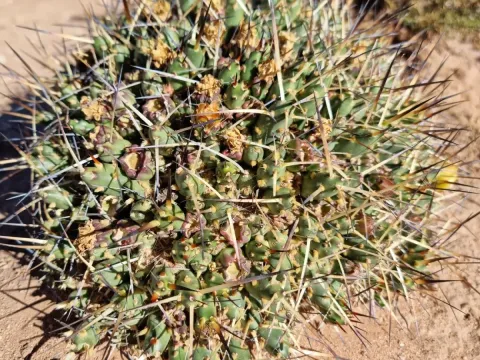
Maihueniopsis
Maihueniopsis
Maihueniopsis is a genus of succulent plants within the Cactaceae family. These cacti are characterized by their compact, cushion-like growth habit, which represents a highly specialized adaptation to the harsh, wind-swept environment of their native habitats.
What the section contains


Maihueniopsis
The origin of this genus is traced back to the high-altitude regions of the Andes, spanning across Argentina, Chile, and Bolivia. They thrive in volcanic or rocky soils, enduring extreme temperature fluctuations and high UV exposure throughout the year.
To successfully cultivate Maihueniopsis, one must mimic their natural alpine environment by providing maximum solar exposure. In a controlled environment, such as a greenhouse, this involves consistent access to direct sunlight to prevent etiolation and maintain structural integrity.
The substrate must be highly inorganic, prioritizing excellent drainage to avoid any risk of water stagnation. A mixture composed of coarse sand, perlite, and small gravel is ideal, as it allows roots to breathe and prevents the rapid buildup of harmful pathogens.
Temperature management is critical; the plants require distinct active growth and dormancy cycles. During the dormant winter phase, plants should be kept dry and cool, which promotes flowering potential and ensures the cactus remains in optimal physiological health for the coming season.
The most significant threat to Maihueniopsis is improper irrigation, leading to root rot. Excessive moisture combined with poor drainage is fatal, causing the plant tissues to turn soft and necrotic, often leading to rapid collapse of the entire specimen.
Mealybugs are a frequent pest that finds refuge in the junctions between the cactus segments. Their presence is often detected by the appearance of white, cotton-like masses, which should be treated immediately with systemic insecticides to prevent infestation spread.
Spider mites represent another primary threat, particularly in environments with stagnant, dry air. These microscopic pests feed on the epidermis, leaving unsightly scarred patches and significantly weakening the cactus, making it susceptible to secondary infections.
Chemical control must be applied with extreme caution. Due to the delicate nature of the cactus epidermis, it is essential to perform spot tests with any pesticide before full-scale application to ensure no phytotoxic reactions occur on the plant surface.
Maintaining hygiene in the growing space, including the use of sterile tools and pots, is the most effective way to prevent the introduction of pathogens. Regular monitoring and early intervention are key strategies for any agronomic management of this sensitive genus.