
Maihueniopsis clavarioides
Maihueniopsis clavarioides
Description
Growing requirements
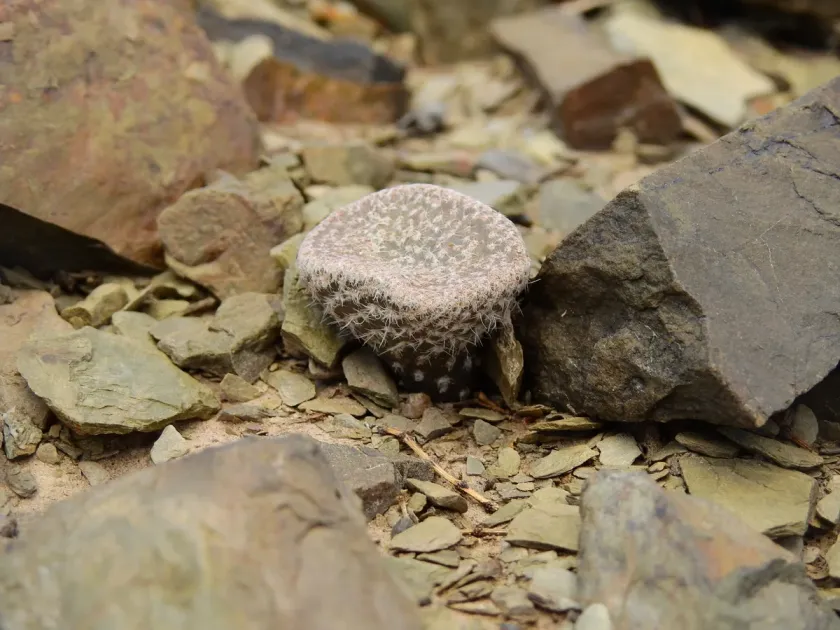
Maihueniopsis clavarioides is a remarkable species within the Cactaceae family, known for its unique, coral-like appearance. As a geophytic cactus, it spends much of its life cycle partially buried, an adaptation that allows it to survive in the harsh, high-altitude deserts of its native Argentina.
In cultivation, this plant requires a highly porous and mineral-heavy substrate. A mixture consisting primarily of coarse sand, volcanic rock, and crushed gravel is essential to ensure rapid drainage and prevent root rot, which is the most common cause of failure in this species.
Climate requirements include intense sunlight and significant diurnal temperature shifts. Providing high levels of UV exposure is necessary to maintain the plant's characteristic compact, rigid structure and to prevent etiolation or abnormal growth patterns.
During the growing season, watering should be careful and infrequent, allowing the substrate to dry out completely between waterings. Excessive moisture, especially during humid or cloudy weather, must be strictly avoided to preserve the integrity of the root system.
The winter dormancy period requires cool temperatures ranging from 5 to 10 degrees Celsius. This phase is crucial for the plant's physiological cycle, as it simulates the cold, dry Andean winters necessary for the plant to thrive and eventually produce flowers.
Main diseases and pests
Root rot caused by excessive soil moisture remains the primary threat to Maihueniopsis clavarioides. Even minor periods of waterlogging in the substrate can lead to rapid decomposition of the roots and the base of the stems.
The species is also susceptible to common succulent pests such as spider mites, which can cause significant damage to the epidermis. Infestations often thrive in dry, stagnant air, emphasizing the need for proper ventilation in the growing area.
Root mealybugs can pose a hidden challenge as they reside within the porous substrate, feeding on the roots. Regular inspection of the root ball and the use of systemic insecticides are recommended as part of a proactive maintenance program.
Fungal pathogens may target the plant if it is kept in conditions with poor airflow. High humidity, when combined with low light or improper soil drainage, creates an environment where pathogens can spread rapidly across the collection.
Physical damage or deep sunburns can weaken the plant's natural defenses, making it more prone to secondary infections. Always acclimate the plant gradually to any significant changes in light or temperature to minimize physiological stress.