
Maihueniopsis darwinii
Maihueniopsis darwinii
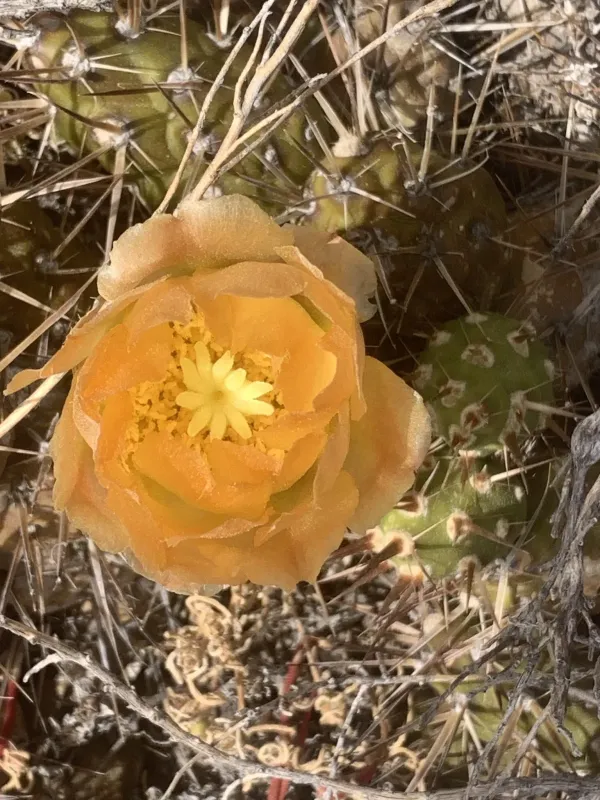
Description
Growing requirements
Maihueniopsis darwinii belongs to the Cactaceae family and is native to the harsh environments of Argentina and Chile. This species is highly adapted to arid conditions, often growing in rocky and gravelly soils in high-altitude regions.
The plant requires full sun exposure throughout the year. Providing intense light is essential for maintaining its robust structure and preventing the stems from becoming elongated or weak due to insufficient energy intake.
The soil must be extremely porous and well-draining. A typical potting mix for this species consists of coarse sand, crushed gravel, and a small amount of mineral-based components to ensure rapid water runoff after rainfall or irrigation.
Temperature management is crucial for the health of Maihueniopsis darwinii. It thrives in significant temperature fluctuations between day and night, reflecting its natural habitat, and requires a distinct cool, dry dormant period during the winter months.
Careful watering is necessary, applying water only when the substrate is completely dry. Overwatering is the most common mistake, as the roots are highly sensitive to moisture accumulation, which quickly leads to decay.
Main diseases and pests
Root rot is the most significant threat to this species. It is primarily caused by poor drainage, excessive humidity in the root zone, or watering during the dormant winter period.
Mealybugs are common pests that tend to hide within the dense spine clusters, making them difficult to detect. Regular inspection of the stem segments is recommended to control populations early.
Spider mites can become an issue in environments with low humidity and poor ventilation. They cause scarring on the epidermis of the cactus segments, damaging its overall appearance.
Fungal infections can occur if the plant is exposed to humid conditions without proper airflow, leading to soft spots on the stems that require immediate surgical removal and treatment.
Effective management includes using appropriate systemic pesticides for insects and maintaining a strict, dry climate to prevent the growth of mold and pathogenic fungi.