
Maihueniopsis glomerata
Maihueniopsis glomerata
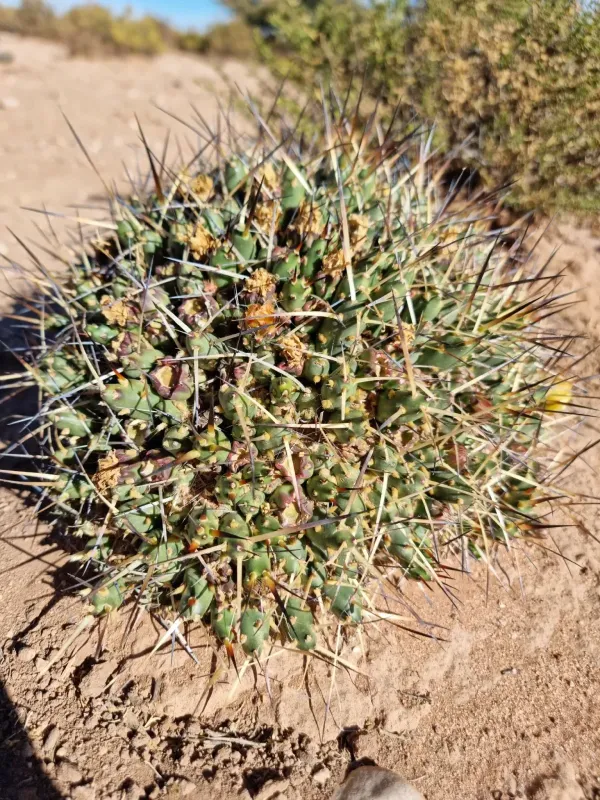
Description
Growing requirements
Maihueniopsis glomerata is a distinctive low-growing succulent member of the Cactaceae family, native to the high-altitude regions of the Andes. This species is known for its resilient nature, capable of withstanding extreme environmental stressors characteristic of high mountains.
The plant features a unique cluster-forming structure consisting of segmented stems. These segments are densely armed with spines, serving both as a defense mechanism against herbivores and as a tool for capturing moisture from high-altitude mists.
Agricultural success depends on providing a well-draining, mineral-based substrate. The soil should predominantly consist of coarse sand, perlite, or volcanic rock fragments to ensure that water never stagnates around the roots, preventing internal rot.
This culture requires high levels of solar exposure throughout the year. Insufficient light leads to etiolation, where the plant loses its dense, compact shape, becoming fragile and significantly more susceptible to various opportunistic pathogens.
Watering requirements are minimal, following a distinct seasonal cycle. During the active growth phase, moisture should be provided only when the substrate has completely dried out, while in winter, the plant must remain almost entirely dry to survive dormancy.
Main diseases and pests
Fungal infections remain the primary threat to the stability of Maihueniopsis glomerata. These pathogens usually thrive in environments characterized by poor air circulation and excessive humidity, rapidly compromising the structural integrity of the segments.
Spider mites represent the most common pest challenge for this species. Their presence often goes unnoticed until significant damage, such as localized yellowing or epidermal scarring, becomes visible on the succulent stem.
Mealybugs are another persistent concern, often establishing colonies in the crevices between the stem segments or deep within the spine clusters. Regular inspection is necessary to manage these pests before they reach critical infestation levels.
Preventive care involves maintaining a strict climate protocol, particularly ensuring that the roots remain cool and dry. Any sign of rot necessitates immediate intervention, including the surgical removal of infected tissues and repotting in fresh substrate.
Adhering to these agronomic standards ensures that the plant retains its vitality, enabling it to reach its full potential growth cycle without succumbing to biological threats.