
Leuchtenbergia
Leuchtenbergia
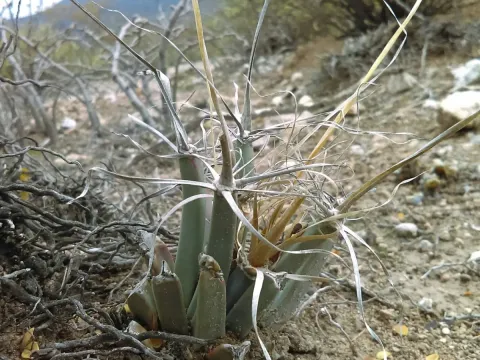
Leuchtenbergia (Leuchtenbergia principis) is a monotypic genus in the Cactaceae family. It is a highly specialized xerophyte native to the arid highlands of central Mexico, known for its unique ability to thrive in poor, rocky soils under intense solar radiation.
What the section contains

Leuchtenbergia
The plant features a large tuberous taproot and long, triangular tubercles that can reach up to 15 centimeters in length. These tubercles are topped with areoles producing papery, flattened spines, which give the plant its characteristic resemblance to an Agave species.
Cultivation requirements necessitate high light intensity to maintain the compact, rosette-like growth habit. In greenhouse conditions, these plants should be placed in the sunniest spots possible to prevent spindly growth and structural weakness of the tubercles.
The growing medium must be highly porous, typically composed of a mineral-based mix including pumice, volcanic rock, and a small portion of sandy loam. The pH should be slightly acidic to neutral to ensure the healthy development of the thick taproot.
The temperature cycle is essential for growth: warm, well-ventilated summers are required for active development, followed by a strictly dry, cool winter dormancy period. Watering should only occur during the warm months, and only when the substrate has dried out completely.
The primary threat to the crop is improper moisture management, as wet soil in cool temperatures leads to severe root rot. This species is prone to fungal infections that can rapidly compromise the integrity of the tuberous roots if drainage is inadequate.
Common pests include mealybugs, which often hide in the crevices between the tubercles, making manual removal or insecticide application challenging. Spider mites can also damage the surface of the tubercles if the environment is kept consistently dry and hot without proper air circulation.