
Ledebouria
Ledebouria
Ledebouria is a genus of bulbous perennial plants belonging to the Asparagaceae family. These plants are native to the arid regions of Southern and Eastern Africa, where they have adapted to distinct wet and dry seasons.
What the section contains


Ledebouria
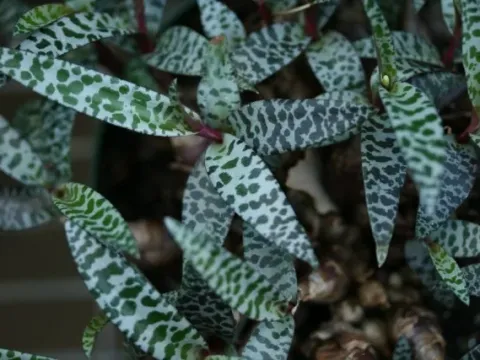
The botanical structure of Ledebouria is characterized by succulent-like bulbs, which are often partially exposed above the soil surface. The foliage is highly prized for its unique, leopard-spotted patterns, contributing to its ornamental value.
Cultivation of Ledebouria requires bright, indirect light. While they can tolerate some direct morning sun, intense midday exposure should be avoided to prevent leaf scorch and maintain the vibrant coloration of the foliage.
The substrate must be highly porous and well-draining. A typical mix for succulents consisting of potting soil, coarse sand, and perlite is ideal for preventing waterlogging, which is a major risk for these bulbs.
Temperature requirements involve a warm growing season (20–25 degrees Celsius) and a cooler dormancy period (12–15 degrees Celsius). This cycle is essential for maintaining the vigor of the plant and stimulating the production of flower spikes.
Fungal rots, specifically bulb and root rot, are the most significant threats to Ledebouria. These issues are almost exclusively caused by overwatering and poor drainage within the cultivation container.
Spider mites are a common pest in indoor environments with low humidity. They feed on the sap of the leaves, resulting in stippling and yellowing, which significantly decreases the aesthetic and biological health of the plant.
Mealybugs are another prevalent concern, as they tend to congregate in the tight spaces between the bulb scales and the leaf bases. Their presence is indicated by a white, cottony substance on the plant surface.
Scale insects can occasionally infest Ledebouria, attaching themselves to the leaves and draining nutrients. Manual removal combined with systemic insecticidal applications is usually necessary to manage severe infestations.
Integrated pest management suggests that keeping plants clean and ensuring proper spacing between pots will reduce the risk of outbreaks. Always isolate new additions to your collection to prevent the spread of pests or pathogens.