
Ledebouria inquinata
Ledebouria inquinata
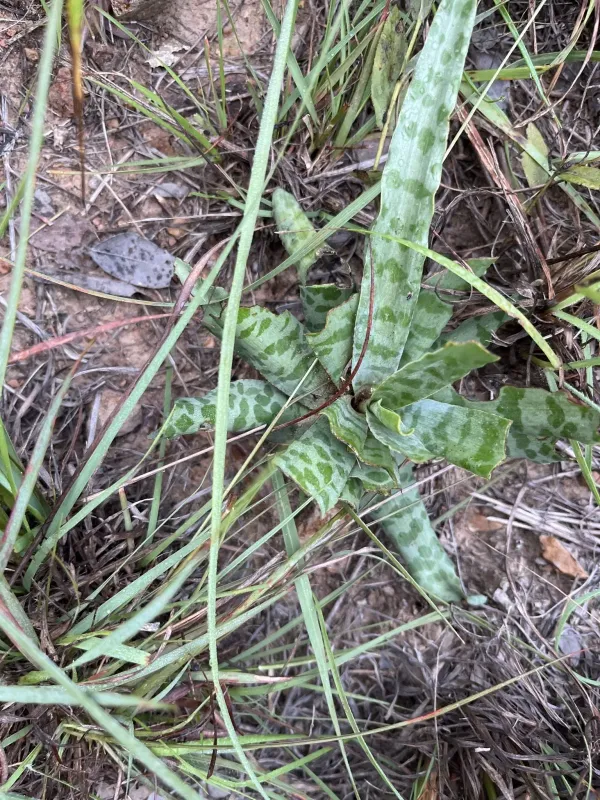
Description
Growing requirements
Ledebouria inquinata is a bulbous succulent species belonging to the Asparagaceae family. Originally native to South Africa, it is well-adapted to rocky environments and arid climates, characterized by a seasonal cycle that involves periodic drought and rapid growth during favorable conditions.
The plant features distinct, often mottled leaves emerging from small, moisture-storing bulbs. These vegetative parts are specifically adapted to optimize gas exchange and minimize water loss in environments where moisture is scarce, which is a key trait of this genus.
In terms of agricultural requirements, this species demands high light intensity to maintain its characteristic pigmentation and compact habit. Placing the plant in a bright location ensures robust growth, whereas insufficient light causes etiolation and weakens the structural integrity of the bulb.
The growth medium must be highly porous and inorganic-based. Standard potting mixes are often too moisture-retentive; therefore, the addition of pumice, lava rock, or coarse sand is essential to prevent the accumulation of excess water around the roots, which is the primary cause of plant failure.
Its хозяйственное use primarily serves the horticultural trade and private collections of botanical enthusiasts. Due to its aesthetic appeal and low maintenance needs regarding humidity, it has become a staple for greenhouse cultivation and indoor spaces where space is a limiting factor for larger plants.
Main diseases and pests
The most significant threats to Ledebouria inquinata are pathogens associated with overwatering. Fungal infections, particularly root rot, are lethal to the plant as they compromise the bulb's ability to store nutrients, often leading to rapid collapse.
Pest management is focused on controlling common succulent parasites such as mealybugs and spider mites. These pests thrive in dry environments and can cause severe damage to the leaf epidermis, necessitating regular monitoring and appropriate chemical treatments to preserve plant health.