
Cooper's ledebouria
Ledebouria cooperi
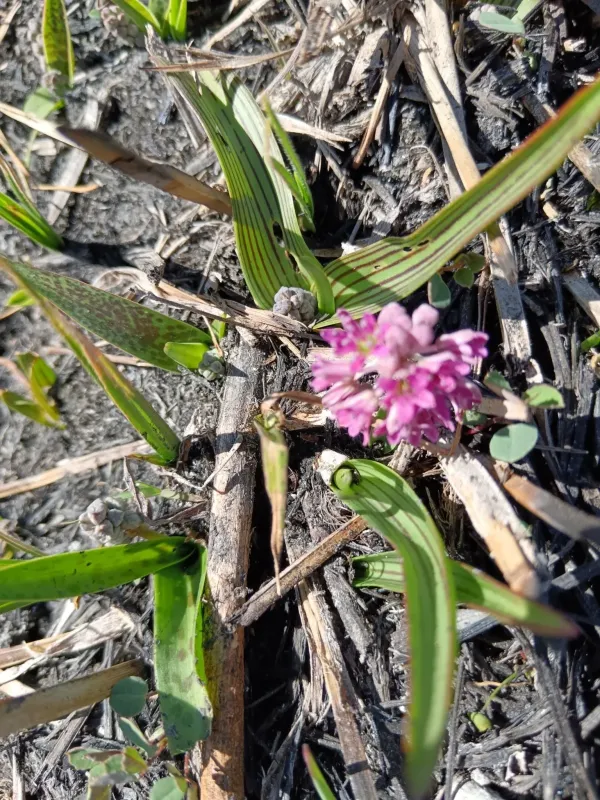
Description
Growing requirements
Cooper's ledebouria (Ledebouria cooperi) is a bulbous perennial belonging to the Asparagaceae family. Native to the grasslands and rocky outcrops of South Africa, this species has evolved to thrive in environments characterized by periodic droughts and exposure to intense sun.
The plant is defined by its small, distinctively spotted leaves and small bulbs that often sit partially above the soil surface. This morphological structure makes it highly popular among collectors of xerophytic plants and indoor garden enthusiasts due to its unique aesthetic appeal.
Optimal growth requires bright, filtered light to maintain the vibrancy of the foliage pattern. While it is a resilient species, insufficient light exposure leads to etiolation and weakens the plant’s structural integrity, reducing its overall capacity to produce flowers during the season.
The soil profile must be extremely well-draining, mimicking its natural habitat. A mixture of loamy soil, sand, and fine volcanic rock or perlite is recommended to prevent waterlogging around the bulb, which is the most frequent cause of horticultural failure in this species.
Cultivation technique involves a distinct resting cycle during the winter months. During this period, irrigation should be significantly reduced, and the plant should be kept in a cooler environment to induce natural dormancy, which is essential for ensuring robust bloom development the following spring.
Main diseases and pests
Primary pests affecting Cooper's ledebouria include mealybugs and scale insects, which can shelter beneath the bulb scales or along the leaf veins. Monitoring and localized treatment with systemic insecticides or neem oil are effective methods to maintain plant health.
Fungal infections, primarily root and bulb rot caused by excessive soil moisture, constitute the most significant threat to this culture. Ensuring adequate ventilation and adhering to a strict drying cycle between watering intervals are the best practices for preventing these lethal conditions.