
Silver squill
Ledebouria socialis
Description
Growing requirements
Silver squill (Ledebouria socialis) is a perennial bulbous plant belonging to the Asparagaceae family. Native to South Africa, it has evolved to thrive in dry, rocky environments, allowing it to store moisture effectively within its characteristic bulbous stems that sit partially above the soil surface.
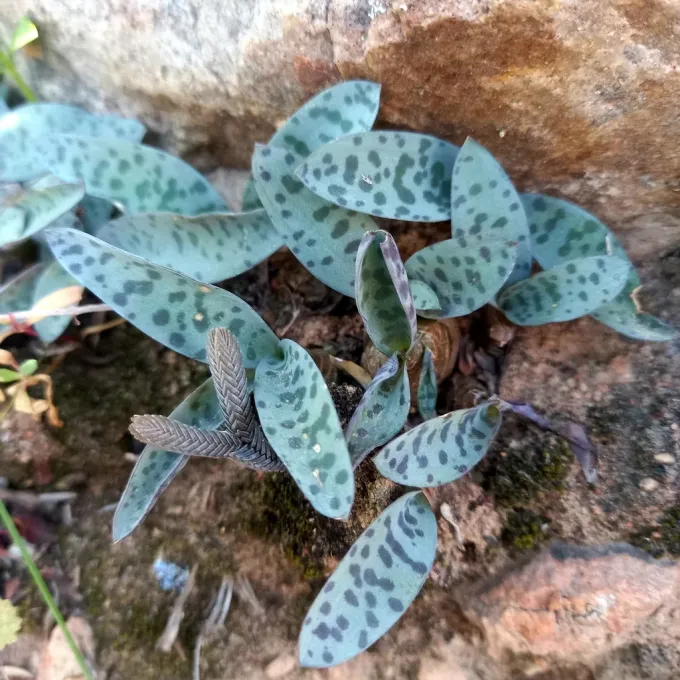
Botanically, the plant is recognized by its lance-shaped leaves, which feature a distinct silvery-green mottled pattern. This unique aesthetic, combined with its ability to adapt to container living, makes it a highly sought-after species for collectors of succulent and ornamental plants.
The culture requires bright, indirect sunlight to maintain its vibrant leaf variegation. While it can withstand some direct sunlight, intense midday exposure may damage the leaf tissues, so providing filtered light is the best strategy for promoting healthy growth and coloration.
For optimal health, the soil must be highly porous and well-draining. A typical cactus or succulent potting mix, amended with extra perlite or pumice, is ideal to prevent the roots from sitting in stagnant water, which is critical for preventing common cultivation failures.
Temperature management should follow seasonal cycles, with active growth occurring between +20°C and +25°C. During the dormant winter period, the plant benefits from cooler temperatures around +15°C and significantly reduced watering to encourage a strong spring growth cycle.
Main diseases and pests
The most common pests affecting this plant include mealybugs and spider mites. These pests thrive in dry environments and can quickly infest the base of the bulbs or the undersides of the leaves, weakening the plant's structural integrity if left unchecked.
Root rot is the primary threat to the longevity of the plant, usually caused by overwatering or poor drainage. Once the bulbous base begins to decay due to fungal pathogens in the soil, recovery is often difficult, making preventive watering habits essential.
- Regular monitoring for webbing or white cottony masses.
- Application of specialized horticultural oils or insecticidal soap.
- Strict adherence to the "soak and dry" method of irrigation.