
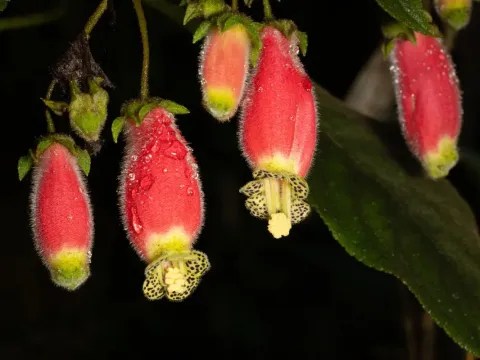
Kohleria
Kohleria
Kohleria is a genus of perennial herbaceous plants belonging to the Gesneriaceae family. Originating from the tropical regions of Central and South America, these plants are widely recognized for their vibrant flowers and fuzzy foliage. In terms of cultivation, they are primarily managed in controlled environments as ornamental crops.
What the section contains


Kohleria
The botanical structure of Kohleria includes scaly rhizomes, which function as energy storage units, allowing the plant to enter periods of dormancy. The stems and leaves are typically covered with fine trichomes, an adaptation characteristic of species that thrive in the shaded, high-humidity understory of tropical forests.
Optimal growth requires a stable environment with temperatures between 20°C and 25°C. Excessive heat or cold stress negatively impacts the flower bud development. Kohleria prefers bright, indirect light; direct sunlight can lead to severe physiological damage and leaf necrosis, reducing the aesthetic value of the crop.
Soil requirements focus on a high-drainage, aerated substrate with a slightly acidic pH, typically between 5.5 and 6.5. A mixture of peat moss, perlite, and organic compost provides the necessary structure to prevent root suffocation. Proper container drainage is essential, as waterlogging is the leading cause of rhizome decay.
Agricultural management involves a distinct resting phase. Once the plant completes its flowering cycle, watering is significantly reduced, allowing the rhizomes to go dormant. Resuming regular watering and nutrient supply with phosphorous-rich fertilizers at the onset of the new growing season is crucial for high-quality production.
Common pests affecting Kohleria include spider mites, mealybugs, and aphids. These insects thrive in dry indoor conditions and can cause significant damage to the plant's vascular system. Integrated pest management, including regular inspection and the use of targeted biological or chemical agents, is recommended.
Fungal diseases, such as root rot and powdery mildew, represent a constant challenge in the cultivation of this crop. These are frequently triggered by excessive humidity and stagnant air. Maintaining proper air circulation and strictly avoiding over-irrigation are the most effective prophylactic measures to ensure plant health.