
Kohleria
Kohleria hybrids
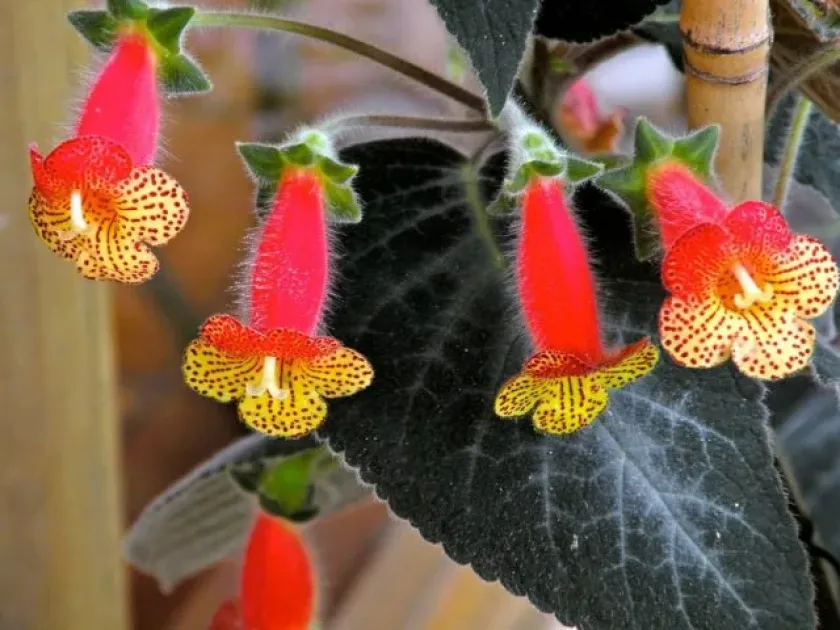
Description
Growing requirements
Kohleria (Kohleria hybrids) is a perennial herbaceous plant belonging to the Gesneriaceae family. Originating from the tropical regions of Central and South America, these plants are well-adapted to the warm and humid conditions of forest understories.
To cultivate healthy Kohleria, provide bright, indirect light. Direct sunlight can scorch the velvety foliage, so positioning the plants near east or west-facing windows with light filtering is generally recommended for optimal growth.
The potting medium must be porous and well-draining. A mix of high-quality peat moss combined with perlite or vermiculite ensures that the root zone receives adequate aeration while preventing the soil from becoming excessively waterlogged.
Ideal temperatures range from +20°C to +25°C during the active growing season. During the dormant period, a slightly cooler environment around +16°C to +18°C is beneficial, as it helps the plant rest and prepares it for a stronger flowering cycle.
Watering practices should be consistent, ensuring the top layer of the soil dries slightly between sessions. Avoid getting water on the leaves to prevent spotting, and ensure the drainage holes are clear to prevent water accumulation at the base of the pot.
Main diseases and pests
Common pests affecting Kohleria include spider mites and mealybugs, which thrive in low-humidity environments. Regular inspection of the plant's stems and the underside of leaves allows for early detection and manual or chemical intervention.
Root rot is the most common physiological issue caused by overwatering or poor drainage. Using a sterilized, lightweight potting mix and preventing water from standing in the tray are the primary methods for preventing such fungal infections.
Powdery mildew may occur if air circulation is inadequate. Keeping the plants spaced appropriately and ensuring the foliage remains dry are effective cultural practices to mitigate the risk of fungal spread throughout the collection.
Viral infections, although less common, can cause stunted growth and foliage distortion. There is no cure for systemic viral infections in these plants, making the disposal of infected specimens necessary to protect other healthy plants nearby.
General plant vigor depends on balanced fertilization during the active season. Using a diluted water-soluble fertilizer helps maintain the plant's strength, making it more resilient against potential environmental stresses and pathogen attacks.