
Kohleria hirsuta
Kohleria hirsuta
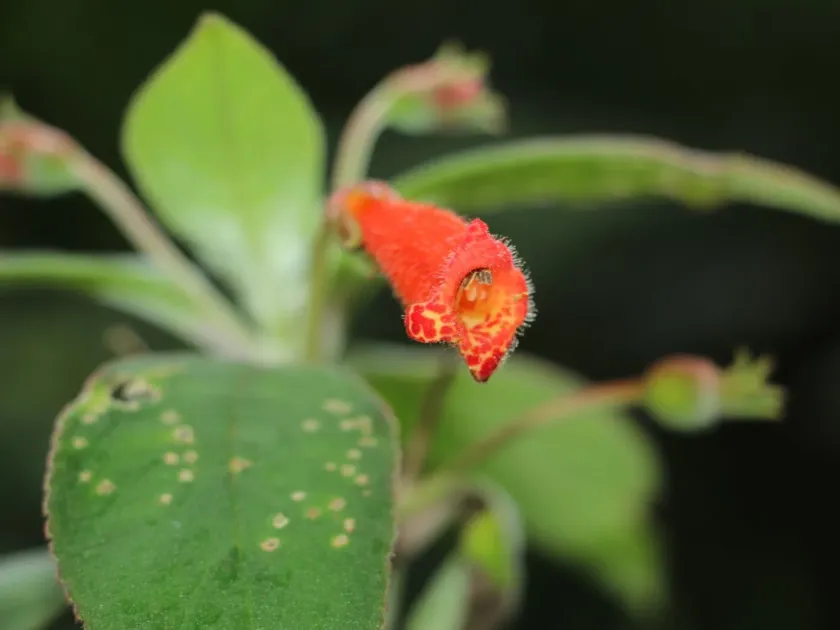
Description
Growing requirements
Kohleria hirsuta is a notable species within the Gesneriaceae family. Originating from the tropical regions of South America, this plant is cultivated primarily for its vibrant, hairy foliage and tubular flowers.
The plant requires bright, filtered light to flourish. Direct solar radiation can be damaging to the foliage, so maintaining a position with diffused light is essential for healthy growth and prolific blooming.
Soil requirements involve a loose, well-draining substrate rich in organic matter. A mixture of peat, perlite, and leaf mold ensures that the root system receives adequate oxygen while retaining necessary moisture.
Optimal temperatures range from 20°C to 25°C. During the dormant winter season, the plant benefits from slightly cooler conditions, which help it enter a phase of rest before the new growth cycle begins.
Watering should be balanced; keep the soil consistently moist but never waterlogged. Since the leaves are covered in fine hairs, overhead watering should be avoided to prevent spotting and potential fungal issues.
Main diseases and pests
Spider mites represent a major threat, especially in low-humidity environments. Regularly cleaning the leaves and maintaining an optimal microclimate can act as a preventive measure against infestations.
Root rot is frequently caused by improper watering practices and cold, damp soil. Once detected, the plant must be repotted into fresh, dry soil and damaged roots must be carefully pruned away.
Mealybugs can cluster in the leaf axils, drawing sap from the plant. Manual removal with an alcohol-dipped swab is effective for minor infestations, while systemic insecticides are needed for widespread issues.
Grey mold, or Botrytis, can affect the plant if air circulation is poor and humidity levels are excessively high. Improving ventilation is the primary strategy to prevent this disease.
Inconsistent environmental conditions often lead to leaf drop. Ensuring steady temperatures and avoiding cold drafts are critical for maintaining the plant’s lush, ornamental appearance throughout the season.