
Kohleria amabilis
Kohleria amabilis
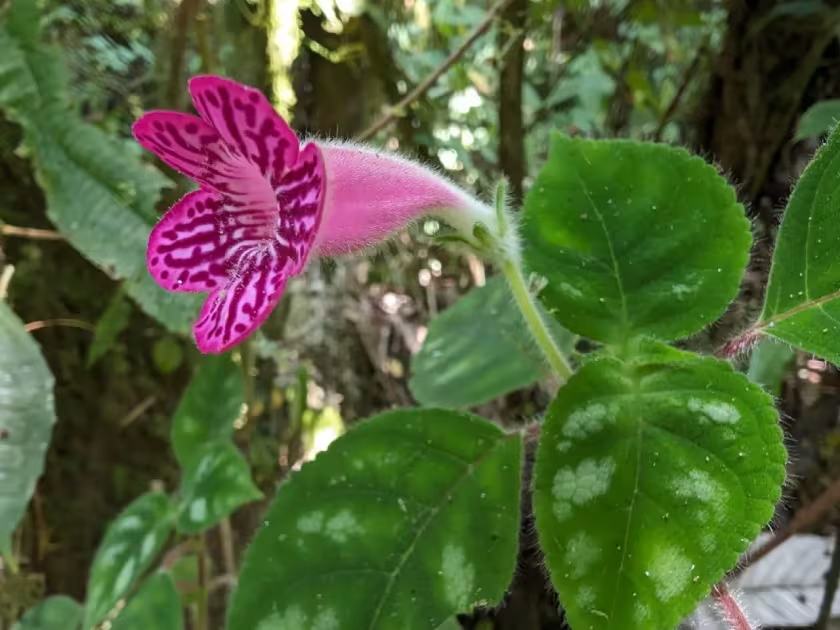
Description
Sowing dates
Kohleria amabilis is primarily propagated through vegetative methods, such as stem cuttings or the division of its scaly rhizomes. The best time for these propagation activities is during the early spring season when the plant begins its active growth phase.
Seed propagation is also possible, though it requires specific greenhouse conditions, including high humidity and temperatures ranging between 22 and 24 degrees Celsius. Seeds are sown on the surface of a light, well-draining substrate and kept covered until germination.
Cuttings should be rooted in a mix of peat and perlite or coarse sand. Maintaining a consistent microclimate is crucial for the successful development of roots, as cuttings of Kohleria are sensitive to sudden environmental fluctuations.
Division of rhizomes is a highly effective method performed during the annual repotting process. Each rhizome segment should have at least one healthy bud to ensure that the new plant establishes itself rapidly.
Proper drainage is essential for all propagation containers. By using pots with adequate drainage holes and lightweight soil, gardeners can prevent root rot, which is a common failure point for new Kohleria starts.
Growing requirements
Kohleria amabilis, a member of the Gesneriaceae family native to tropical America, thrives in bright, indirect light. Direct sunlight can cause scorched spots on its delicate, velvet-textured leaves, so filtered light is preferred for optimal aesthetics.
The ideal temperature range for this species is 20–25 degrees Celsius. It is highly sensitive to cold drafts and sudden drops in temperature, which can lead to stress, leaf drop, or the interruption of the flowering process.
The growing medium must be loose, airy, and slightly acidic. A standard recommendation includes a blend of leaf mold, peat moss, and sand to provide the structure necessary for healthy rhizome development while preventing compaction.
Watering should be conducted carefully, focusing on the soil rather than the foliage. Keeping the surface of the soil slightly moist is ideal, but allowing the top layer to dry out slightly before the next watering cycle prevents waterlogging.
High air humidity is beneficial for Kohleria amabilis, but direct misting of the leaves should be avoided as it can lead to fungal spotting. Placing pots on trays filled with moist pebbles is an effective way to maintain local humidity.
Main diseases and pests
Common pests associated with Kohleria amabilis include spider mites, mealybugs, and whiteflies. These pests thrive in dry environments and can quickly infest a collection if regular monitoring of the leaf undersides is neglected.
Root rot is the most significant disease threat, usually stemming from overwatering or poorly aerated soil. Symptoms include wilting and yellowing leaves, which often lead to the total collapse of the plant if not treated immediately.
Powdery mildew can manifest during periods of high humidity combined with stagnant air. This fungal issue appears as a white, dusty layer on the foliage, requiring the immediate application of fungicides and improved airflow.
To mitigate these risks, it is essential to ensure proper ventilation and avoid crowding plants. Quarantine protocols for new additions to the collection serve as an effective barrier against the introduction of pests and pathogens.
Management of these threats involves a combination of mechanical removal, appropriate cultural practices, and, when necessary, the application of targeted insecticides or fungicides according to product safety guidelines.