Atonik Plus
«Аріста ЛайфСайенс С.А.С.» , Франція
Plant Growth Regulator
0
0
·
89
4 offers
6.63 €per 1 l
Buy
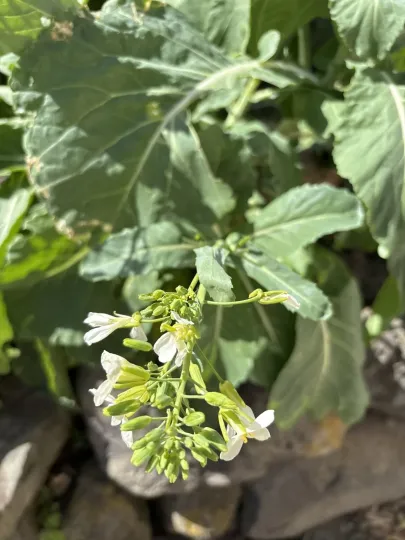
Wild cabbage (Brassica oleracea L.) belongs to the Brassicaceae family and is the ancestor of numerous cultivated vegetable varieties including broccoli, cauliflower, and kale.
The sowing process begins by preparing high-quality seeds, which are planted in trays or seedbeds to produce vigorous transplants for the field.
Farmers typically start seeds in climate-controlled environments to ensure uniform germination, which occurs at temperatures ranging from 18 to 22 degrees Celsius.
Precision sowing or transplanting is essential to maintain optimal plant density, preventing resource competition and ensuring even development of the crop.
After reaching the stage of 4–6 true leaves, the seedlings are hardened off to acclimate to outdoor conditions before being planted into the final growing site.
The crop thrives in well-drained, fertile loamy soils with high organic matter content and a neutral pH level, typically between 6.0 and 7.0.
Consistent moisture is critical, as water stress during the formation stage significantly impacts head density and overall marketable yield.
Cabbage is a cool-season crop, performing best in mild temperatures; excessive heat often leads to bolting or poor head development.
Balanced fertilization is necessary, with a focus on nitrogen for leafy growth during the early stages and potassium for overall plant health.
Proper field management includes ensuring adequate sunlight exposure, as shade can lead to leggy, weak plants and increased susceptibility to diseases.
Yield potential is highly dependent on cultivar selection, management practices, and local environmental conditions, typically ranging from 40 to 100 tons per hectare.
Modern hybrid varieties have been bred for higher density, improved shelf life, and resistance to common physiological disorders like cracking.
The use of drip irrigation systems has revolutionized yields by maintaining precise soil moisture levels throughout the critical vegetative growth stages.
Effective weed control is a cornerstone of achieving high yields, as competitive weeds can rapidly deplete nutrients and water required by the crop.
Regular crop monitoring allows for timely adjustments in fertilization and water application, which are essential for maximizing the output of top-quality produce.
The crop is vulnerable to various pests, including the Large White butterfly (cabbage white), various species of moths, and numerous small insects.
Diseases such as clubroot, black rot, and various bacterial soft rots pose significant threats and require strict adherence to phytosanitary protocols.
Integrated Pest Management (IPM) strategies, including crop rotation and the use of resistant varieties, are essential to mitigate the impact of these threats.
Early detection of infections and pest populations through field scouting is vital to implement targeted control measures before widespread damage occurs.
Harvesting strategies differ based on the purpose of the crop; early varieties are harvested for immediate sale, while late varieties are stored for winter.
The heads are typically harvested when they reach the desired firmness and size, utilizing mechanical cutters in large-scale commercial operations.
Care must be taken to minimize bruising during transport and handling, as physical damage serves as an entry point for post-harvest pathogens.
Post-harvest handling involves rapid cooling to remove field heat, which significantly extends the storage life and maintains the nutritional quality of the produce.
Once cooled and sorted, the product is transferred to cold storage facilities with high humidity levels to prevent dehydration and ensure market availability.