
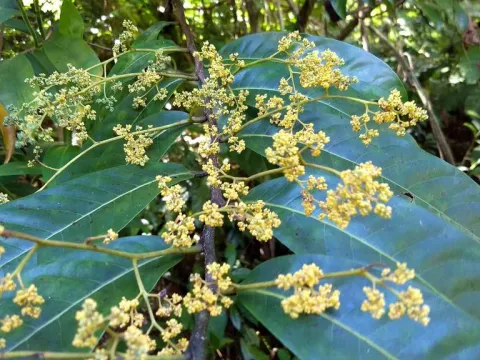
Horsfieldia
Horsfieldia
Horsfieldia is a genus of evergreen trees belonging to the Myristicaceae family. These plants are native to the tropical forests of Southeast Asia, where they thrive in warm, humid conditions that provide the necessary moisture for constant leaf growth throughout the year.
What the section contains
 Horsfieldia angularis
Horsfieldia brachiata
Horsfieldia brachiata
Horsfieldia angularis
Horsfieldia angularis
Horsfieldia brachiata
Horsfieldia brachiata
 Horsfieldia crassifolia
Horsfieldia flocculosa
Horsfieldia flocculosa
Horsfieldia glabra
Horsfieldia glabra
Horsfieldia crassifolia
Horsfieldia crassifolia
Horsfieldia flocculosa
Horsfieldia flocculosa
Horsfieldia glabra
Horsfieldia glabra
 Horsfieldia grandis
Horsfieldia grandis
Horsfieldia grandis
 Horsfieldia irya
Horsfieldia irya
Horsfieldia irya
 Horsfieldia iryaghedhi
Horsfieldia majuscula
Horsfieldia majuscula
Horsfieldia moluccana
Horsfieldia moluccana
Horsfieldia iryaghedhi
Horsfieldia iryaghedhi
Horsfieldia majuscula
Horsfieldia majuscula
Horsfieldia moluccana
Horsfieldia moluccana
 Horsfieldia parviflora
Horsfieldia pilifera
Horsfieldia pilifera
Horsfieldia punctatifolia
Horsfieldia punctatifolia
Horsfieldia ralunensis
Horsfieldia ralunensis
Horsfieldia spicata
Horsfieldia spicata
Horsfieldia parviflora
Horsfieldia parviflora
Horsfieldia pilifera
Horsfieldia pilifera
Horsfieldia punctatifolia
Horsfieldia punctatifolia
Horsfieldia ralunensis
Horsfieldia ralunensis
Horsfieldia spicata
Horsfieldia spicata
 Horsfieldia subtilis
Horsfieldia subtilis
Horsfieldia subtilis
 Horsfieldia sucosa
Horsfieldia sucosa
Horsfieldia sucosa
 Horsfieldia superba
Horsfieldia superba
Horsfieldia superba
 Horsfieldia sylvestris
Horsfieldia sylvestris
Horsfieldia sylvestris
 Horsfieldia tomentosa
Horsfieldia tomentosa
Horsfieldia tomentosa
 Horsfieldia wallichii
Horsfieldia wallichii
Horsfieldia wallichii
Horsfieldia
The climate requirement for this species is strictly tropical, necessitating stable temperatures and high precipitation levels. It is highly susceptible to chilling injury, making it unsuitable for cultivation in temperate zones, even in greenhouses, unless specific environmental controls are maintained.
Regarding soil, Horsfieldia prefers deep, fertile, and well-drained substrates. The presence of organic matter is crucial for the development of its root system. In agricultural practice, maintaining soil structure through organic mulching is recommended to prevent erosion and nutrient leaching.
During the early stages of cultivation, seedlings require partial shade to mimic the forest floor environment. As the trees mature, they become more tolerant of direct light, yet adequate spacing is essential to ensure proper crown development and prevent competitive stress among individual trees.
The cultivation of Horsfieldia often involves agroforestry systems, where it serves as a canopy species. This approach not only provides high-quality timber but also helps in preserving the biodiversity of the local ecosystem, making it a sustainable choice for tropical land management.
The primary yield from Horsfieldia plantations is timber, valued for its moderate density and versatility in manufacturing. Harvesting is performed after the trees reach a specific maturity, usually determined by diameter at breast height (DBH) and overall biomass accumulation.
Yield management requires careful planning of the rotation cycle. Since growth rates are inherently slower compared to monoculture fast-growing species, thinning operations are conducted to prioritize the growth of the most robust specimens in the plantation.
While wood production is the primary goal, research into the fatty oils contained within the seeds shows potential for small-scale non-wood forest product harvesting. This diversified approach can increase the overall economic return per hectare for farmers.
Productivity is significantly impacted by the site selection and initial preparation of the land. Optimal yields are achieved in areas with natural slope drainage, which prevents the physiological stress associated with waterlogged conditions in tropical landscapes.
Monitoring the increment of timber volume on a per-tree basis allows for precision forestry. By applying selective harvest methods, land managers can ensure the long-term viability of the population while consistently supplying the market with sustainable wood products.
The main phytosanitary threats to Horsfieldia include fungal infections, particularly those that target the root system in poorly drained soils. Excessive humidity in closed canopy stands can also encourage the spread of leaf spot diseases.
Insect pests, such as wood-boring beetles, represent a significant risk to timber quality. These insects create galleries within the wood, which can compromise the structural integrity of the timber and lower its commercial value significantly.
Integrated pest management (IPM) is essential for maintaining plantation health. This includes the regular monitoring of tree trunks for signs of entry holes and the removal of severely affected individuals to prevent the spread of infestations to the rest of the stand.
Climate instability, manifesting in erratic rainfall patterns, poses a new threat to Horsfieldia by inducing physiological drought. Strengthening tree resilience through balanced nutrition and proper spacing helps mitigate these environmental risks.
- Root rot caused by waterlogging
- Boring insect infestations
- Fungal stem cankers
- Competitive weed pressure during early growth stages