
Horsfieldia grandis
Horsfieldia grandis
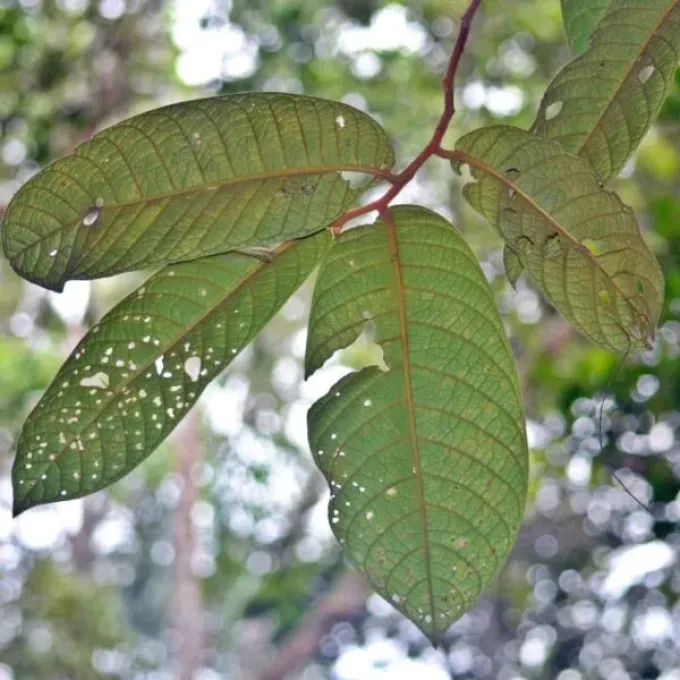
Description
Growing requirements
Horsfieldia grandis is a distinguished tropical tree species belonging to the Myristicaceae family. This botanical species is known for its impressive stature and its vital role in the structural complexity of tropical rainforests.
The climate requirements for this plant involve consistent tropical temperatures without seasonal fluctuations. High atmospheric humidity and frequent precipitation are essential to support the tree's physiological processes throughout the year.
Regarding soil preference, this tree requires deep, fertile substrates that facilitate efficient drainage. While it thrives in moist conditions, waterlogging must be avoided to prevent root system suffocation and decay.
Its natural range is primarily located in the tropical regions of Southeast Asia. The species typically grows in undisturbed forest areas, where it relies on the shade and protection provided by the upper forest canopy during its early stages.
Commercially, Horsfieldia grandis is recognized for its utility in local construction and carpentry. Its wood is appreciated for specific mechanical properties, making it a valuable asset in sustainable tropical agroforestry systems.
Main diseases and pests
The primary threat to Horsfieldia grandis populations is the rapid conversion of forest land into agricultural or urban zones. Habitat loss represents the most significant challenge to the species' long-term sustainability.
Fungal pathogens represent a major phytosanitary risk, particularly in nurseries or plantations where air circulation is restricted. Managing soil moisture and promoting good drainage are fundamental in preventing these infections.
Pest pressures include various wood-boring insects common in Southeast Asian tropical environments. These pests can cause significant damage to the xylem, ultimately impacting the tree's development and its commercial wood quality.
Invasive species often compete with Horsfieldia grandis for sunlight and soil nutrients during its vulnerable seedling phase. Implementing silvicultural management techniques is necessary to give young trees a competitive advantage.
Climatic instability, including prolonged droughts or erratic storm patterns, can compromise the structural integrity of the trees. Maintaining healthy ecosystems and biodiversity is critical to protecting this species from environmental stress.