
Horsfieldia crassifolia
Horsfieldia crassifolia
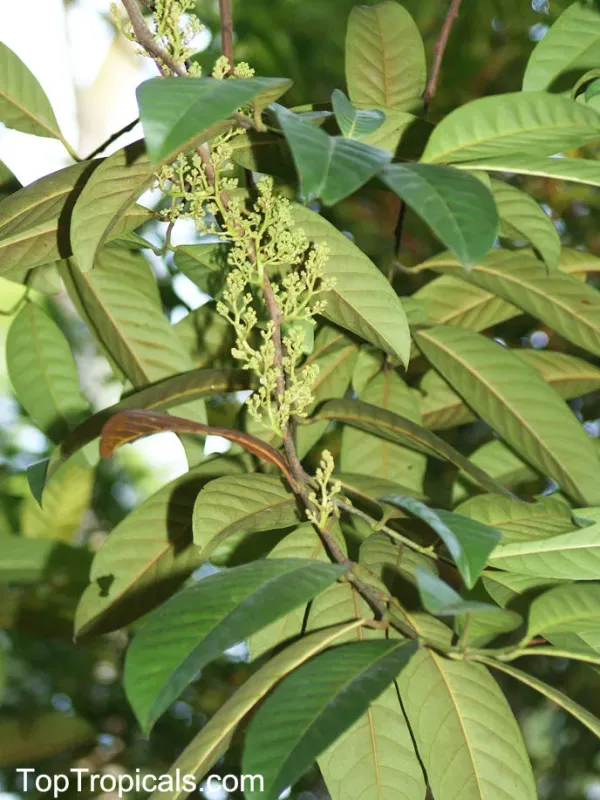
Description
Growing requirements
Horsfieldia crassifolia is a member of the Myristicaceae family. It is an evergreen tree native to the tropical rainforests of Southeast Asia, thriving in high-humidity environments.
The species requires a consistently warm climate throughout the year. It is highly sensitive to cold spells and temperature fluctuations, which can be detrimental to its growth cycles.
To prosper, this tree needs deep, well-drained soils rich in organic matter. Proper soil structure is essential to prevent waterlogging, which the plant cannot tolerate.
In its natural habitat, it grows well under the forest canopy, benefiting from diffuse light. When cultivated, it requires specific light management to prevent leaf scorching while ensuring adequate photosynthesis.
High relative humidity is essential for the species' vitality, making cultivation challenging in non-tropical regions without advanced climate-controlled environments.
Yield
The primary economic value of Horsfieldia crassifolia lies in its timber, which is utilized for local construction purposes and the production of rustic furniture.
The wood has a moderate density, requiring professional seasoning and treatment to enhance its resistance to pests and decay for long-term structural use.
The species is increasingly recognized for its role in reforestation efforts, helping to restore tropical biodiversity and improve soil quality in degraded areas.
While not a staple agricultural crop, the tree serves as an important component of local agroforestry systems, providing habitat and ecological stability.
Given the slow growth rate of the tree, commercial exploitation of the timber requires careful management and long-term planning for sustainable yield.
Main diseases and pests
The main threats to Horsfieldia crassifolia are fungal diseases, which often thrive in the high-humidity, low-airflow conditions of the tropical forest floor.
Insects, particularly wood-boring beetles, pose a significant threat to the tree's health, as they can tunnel into the trunk and degrade the quality of the timber.
Habitat loss due to land clearing and deforestation remains the most critical external factor impacting the population density of this tropical species.
Poor agricultural practices, such as excessive irrigation on poorly drained soils, often lead to root rot infections, which are usually fatal to young saplings.
Integrated pest management, including regular sanitation of the plantation area and early detection of symptoms, is essential for maintaining a healthy stand.