
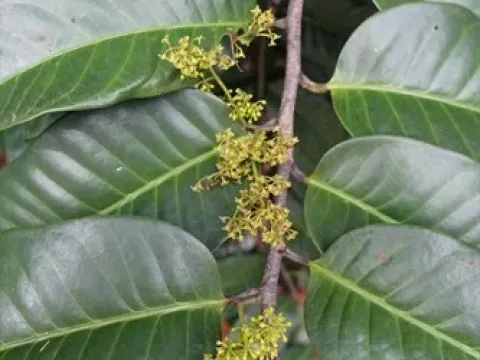
Endocomia
Endocomia
Endocomia is a genus of evergreen tropical trees belonging to the Myristicaceae family. Unlike many other members of the nutmeg family, this genus is distinguished by its unique inflorescence architecture and fruit morphology, which are vital for taxonomic identification.
What the section contains

Endocomia
The genus is native to the tropical regions of Southeast Asia. Its geographical range stretches from Southern China through Southeast Asia to Indonesia and New Guinea, where these trees typically thrive in the understory of primary rainforests.
The plant requires specific environmental conditions, favoring stable, high temperatures year-round. It is highly adapted to tropical climates characterized by high atmospheric humidity and significant, consistent annual rainfall patterns.
Regarding soil, the species prefers well-drained, fertile substrates with a neutral to slightly acidic pH. As with many tropical rainforest trees, it is sensitive to waterlogging, necessitating excellent soil drainage to prevent root rot and ensure healthy development.
Economic use of Endocomia remains specialized, focusing on timber utility and the ongoing exploration of secondary metabolites within its tissues. It is currently more recognized for its ecological importance in tropical ecosystems rather than as a commercial field crop.