
Horsfieldia sylvestris
Horsfieldia sylvestris
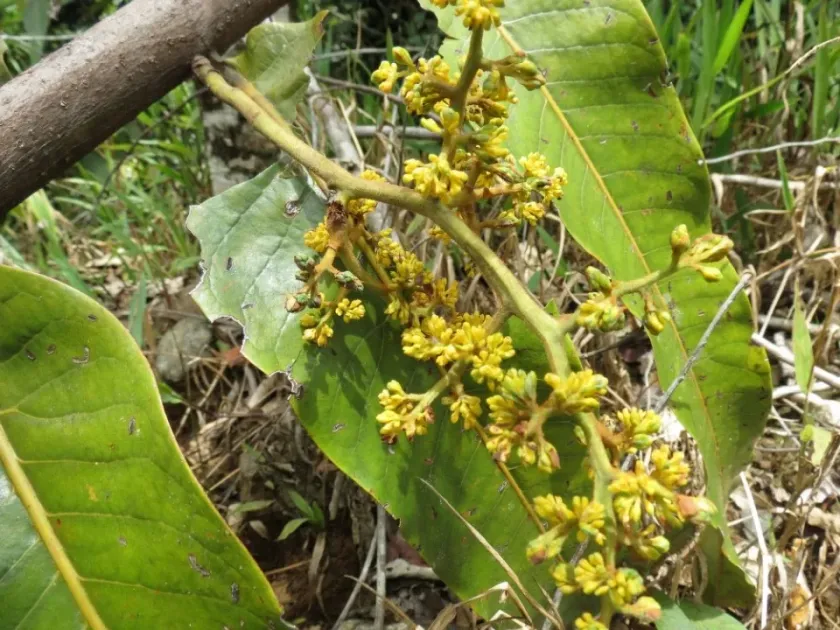
Description
Growing requirements
Horsfieldia sylvestris is a notable member of the Myristicaceae family. It is a large evergreen tree native to the tropical rainforests of Indonesia and New Guinea, characterized by a robust trunk and high canopy.
This species thrives in high-humidity tropical environments with consistent rainfall and warm temperatures throughout the year. It requires well-drained, nutrient-rich soils to maintain healthy growth cycles.
The tree demonstrates high sensitivity to light conditions during its juvenile phase, often requiring canopy shade or nursery protection to develop a strong root system and straight trunk.
Climatic stability is essential for this species, as it lacks mechanisms to cope with frost or significant periods of drought, which can lead to permanent damage to its foliage and water transport system.
Cultivation practices involve carefully monitored forest management strategies, prioritizing the preservation of soil structure and the natural microfauna necessary for nutrient absorption.
Yield
The primary economic use of Horsfieldia sylvestris is the harvesting of its timber, which is utilized for light construction, interior paneling, and the manufacturing of various wooden household items.
Its wood properties include moderate durability and ease of mechanical processing, making it a preferred material for craftsmen working in the regional tropical timber industry.
Recent interest has been directed towards the biochemical composition of its seeds, which contain unique lipid profiles that could potentially be refined for industrial applications.
Sustainable yield management requires periodic thinning of stands to ensure that remaining trees receive adequate sunlight and soil nutrients to reach maturity at an optimal rate.
The tree also serves an vital role in ecological conservation, acting as a structural component that provides habitat for diverse bird and insect species within the ecosystem.
Main diseases and pests
Fungal pathogens pose the most significant risk to Horsfieldia sylvestris, particularly those affecting the root system when the soil remains waterlogged due to poor site preparation.
Wood-boring insects and beetle larvae represent a consistent threat to the quality of the timber, requiring integrated pest management strategies to protect the standing crop.
Deforestation and habitat fragmentation significantly endanger the natural populations, leading to reduced genetic diversity and increased susceptibility to environmental stressors.
Invasive plant competition can easily overwhelm young Horsfieldia seedlings, which grow at a moderate pace, making manual weeding and site maintenance critical tasks for growers.
Climate change impacts, including unpredictable rainfall patterns, disrupt the delicate physiological balance of the trees, leading to decreased vigor and increased vulnerability to disease outbreaks.