
Horsfieldia tomentosa
Horsfieldia tomentosa
Description
Growing requirements
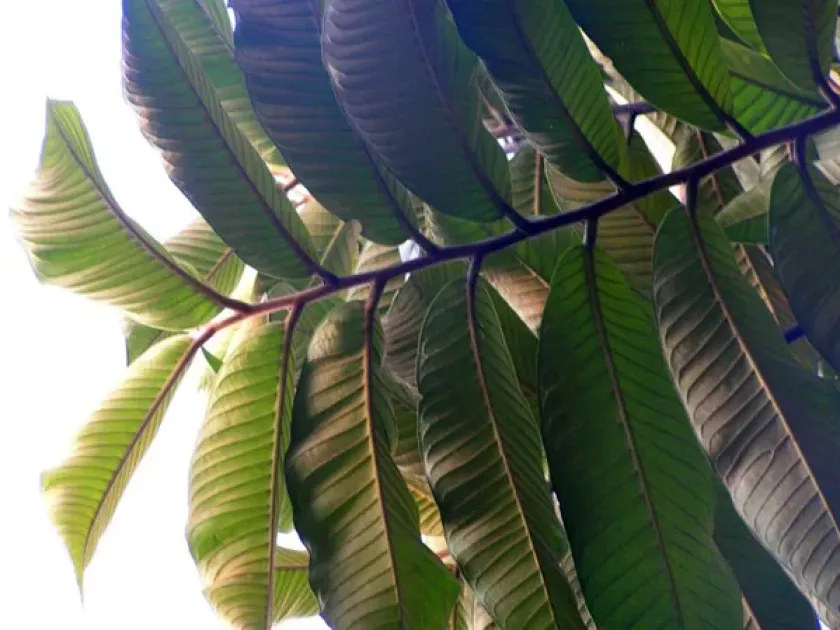
Horsfieldia tomentosa is a distinguished member of the Myristicaceae family, native to the lush tropical rainforests of Southeast Asia. It is highly regarded for its dense foliage and unique tomentose hairs found on the underside of its leaves.
The cultivation of this species requires a hot and humid tropical climate, where temperatures remain consistently high throughout the year. The tree thrives in regions that experience significant rainfall, which is essential for maintaining its vigorous growth rate.
Regarding soil preferences, the plant demands well-drained, nutrient-rich alluvial soils. Deep soil layers are crucial for the development of its extensive root system, which anchors the tree against high winds common in tropical ecosystems.
Botanically, the tree is known for its tall stature and straight trunk, making it an ideal candidate for forestry projects. Its growth cycle is adapted to the competitive environment of the jungle, where efficient light capture is paramount.
Agronomic practices should focus on maintaining optimal spacing between trees to prevent overcrowding and ensure uniform growth. Providing sufficient shade during the seedling stage is also a recommended practice to ensure a high survival rate.
Harvesting
The primary economic use of Horsfieldia tomentosa is the production of timber. The wood is valued for its versatility in cabinetry and construction, offering a balanced combination of strength and workability.
Harvesting is managed through selective felling to preserve the health of the surrounding ecosystem. This approach ensures that the forest remains productive while minimizing environmental disturbance and soil erosion.
In addition to timber, some research suggests potential applications for the seeds and extracts in industrial oils. Harvesting these non-timber products requires careful timing to align with the tree's natural physiological cycles.
Processing involves rapid kiln drying or air-curing to mitigate the high moisture content of the wood. Proper management during the seasoning stage is critical to prevent warping or fungal infestations that are common in humid environments.
Sustainable plantation models are currently being explored to satisfy the demand for this species. By integrating Horsfieldia tomentosa into agroforestry systems, producers can achieve stable yields while contributing to biodiversity conservation.