
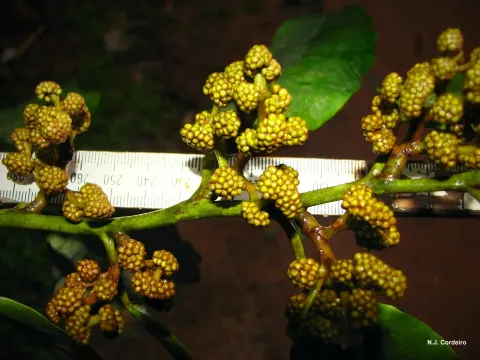
Cephalosphaera
Cephalosphaera
Cephalosphaera seeds require strict temperature control during planting, as the culture is sensitive to early spring frosts.
What the section contains

Cephalosphaera
The optimal period for sowing is when the soil warms up to 12-15 degrees Celsius, which usually occurs in the second half of spring.
The sowing depth should not exceed 2-3 centimeters to ensure uniform emergence and prevent the exhaustion of the seed reserves.
To improve field germination, it is recommended to stratify the seeds for several weeks in a cool environment before sowing.
Sowing is carried out in rows with row spacing up to 45 centimeters, which facilitates subsequent crop maintenance during the growing season.
Cephalosphaera prefers well-drained, fertile loamy soils with a neutral pH level (6.5–7.0).
The crop is highly demanding regarding light and cannot tolerate shading, so fields must be fully open to sunlight.
Moisture levels must remain stable; however, the plant reacts poorly to water stagnation, which quickly leads to root rot.
During the active growth phase, the crop requires the application of complex mineral fertilizers with high nitrogen and potassium content.
A key factor for success is the absence of strong winds, which can damage the fragile stems of the plant during the flowering period.
The average yield of Cephalosphaera directly depends on the quality of care and soil fertility during the specific agricultural season.
By following all agronomic standards, farmers can expect stable harvest volumes of commercial biomass per hectare.
The crop's productivity potential is best realized when using drip irrigation during dry summer periods.
The use of modern growth regulators can increase the output of marketable products by 15–20 percent without compromising quality.
Storing the harvested crop requires dry warehouse facilities with good ventilation to prevent premature spoilage of the raw materials.
The main threat to the culture is fungal diseases that develop under high humidity and high planting density conditions.
Pests, such as spider mites and aphids, can cause significant damage to young shoots in the early summer period.
To prevent the spread of infections, it is recommended to perform prophylactic treatments with broad-spectrum fungicides.
Crop rotation is the primary defense tool: it is recommended to return Cephalosphaera to the same field no earlier than four years later.
Regular weeding reduces the risk of disease outbreaks and eliminates competition for nutrients within the soil.
Harvesting begins at the technical maturity stage, when the plant organs reach the required biological characteristics.
The optimal time for harvesting is during the early morning hours once the dew has evaporated, minimizing the risk of damage to the material.
During mechanical harvesting, it is important to correctly adjust the threshing machinery gaps to maintain the integrity of fragile parts.
After harvest, the crop must undergo primary cleaning to remove impurities and soil residues to improve product marketability.
Drying the raw materials should be done under natural conditions in shaded areas to avoid the loss of beneficial properties.