
Horsfieldia superba
Horsfieldia superba
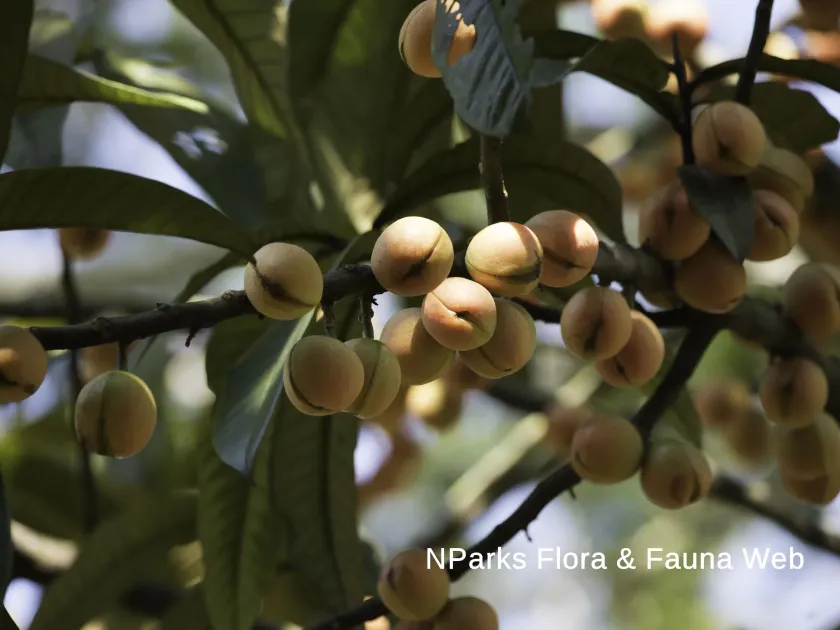
Description
Growing requirements
Horsfieldia superba is a significant evergreen tree species belonging to the Myristicaceae family. It is naturally distributed throughout the tropical rainforests of Southeast Asia, thriving in stable humid environments.
The cultivation of this species requires a warm, equatorial climate characterized by high annual rainfall. It is sensitive to extreme temperature drops, which can severely hinder the vegetative growth of young trees.
Ideal soil conditions consist of deep, nutrient-rich, and well-drained loams. Avoiding waterlogged areas is essential, as the species' root system is prone to decay if oxygen levels in the substrate are insufficient.
As a forest-dwelling species, Horsfieldia superba responds well to partial shade during its initial developmental stages. Integrating this tree into agroforestry systems helps simulate its natural habitat and protects it from direct intense solar radiation.
Management practices should include regular monitoring of canopy health and aggressive weed suppression. Applying organic mulch around the base of the trees helps maintain soil moisture consistency throughout the drier months.
Harvesting
The primary economic application of Horsfieldia superba is in the forestry sector, where it is valued for its dense and workable wood. The timber is utilized for construction, furniture making, and general carpentry.
Harvesting is typically planned based on the rotation age of the plantation. Sustainable management practices ensure that selective thinning is performed, allowing younger trees space to reach maturity.
Processing the wood involves systematic sawing and seasoning. These steps are crucial to ensure that the timber reaches the required standards for moisture content and structural stability before market distribution.
Seed collection is performed after the fruits reach maturity and fall naturally to the forest floor. This approach ensures that the highest quality germplasm is selected for future reforestation projects.
Effective post-harvest management, including proper storage and moisture control, prevents biotic deterioration of the timber. This ensures the longevity and value of the harvested resource for industrial use.