
Horsfieldia sucosa
Horsfieldia sucosa
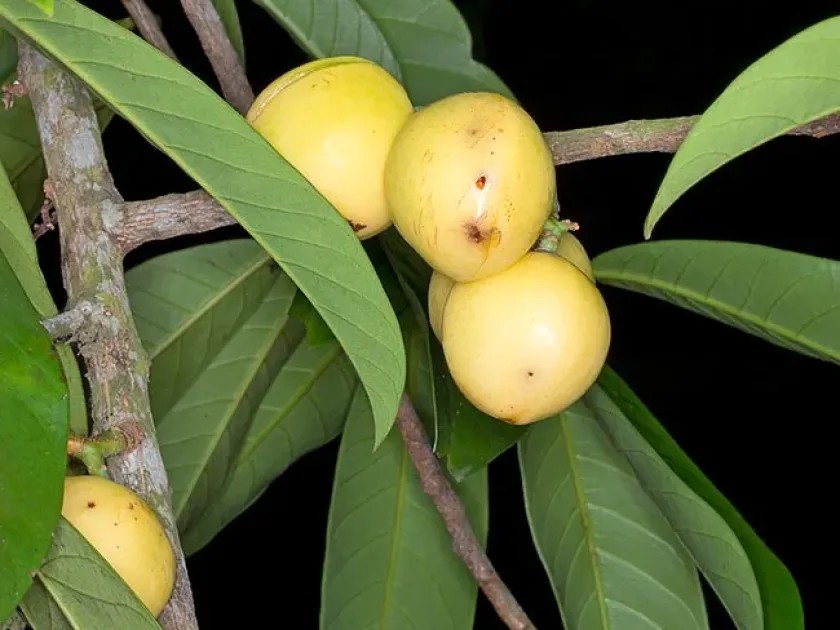
Description
Growing requirements
Horsfieldia sucosa is a notable species within the Myristicaceae family, recognized for its evergreen foliage and tropical distribution. It typically thrives in humid rainforest environments, requiring stable climatic conditions to reach its full development potential.
The plant necessitates well-drained, nutrient-rich soils to thrive. It is particularly sensitive to waterlogging, which can cause significant damage to the root system, making proper soil site selection and drainage preparation vital for cultivation.
Environmental requirements for this crop include consistently high temperatures and significant air humidity. The species is not adapted to dry climates, and successful management requires consistent moisture levels throughout the growing season.
In terms of light exposure, young specimens benefit from shaded conditions to simulate the forest understory. As the tree matures, it can accommodate higher light intensity, though protection from extreme solar radiation remains a best practice.
Agricultural management involves regular monitoring of soil health. Avoiding soil compaction is critical, as it directly impacts the vigor of the plant and its ability to absorb necessary minerals from the substrate.
Harvesting
Harvesting the fruits of Horsfieldia sucosa requires specialized attention due to the plant's succulent nature. The fruits should be collected when they reach physiological maturity to ensure the highest quality of the harvested materials.
Manual harvesting is the preferred method to prevent unnecessary damage to the branches. Given that the plant exudes significant sap upon injury, tools must be kept clean and sharp to promote rapid healing of the pruning wounds.
Post-harvest handling is time-sensitive. The fruits should be processed shortly after collection to prevent fungal growth, which is a common threat in the warm and moist environments where this species is traditionally grown.
The wood of the tree is harvested for secondary agricultural uses. It is essential to ensure proper seasoning of the timber, as raw wood from this species is prone to rapid degradation if not dried under controlled conditions.
Seed harvesting is conducted to facilitate reforestation or expansion of the cultivation area. Seeds should be handled with care and planted immediately, as they are recalcitrant and do not tolerate long periods of desiccation.