
Horsfieldia subtilis
Horsfieldia subtilis
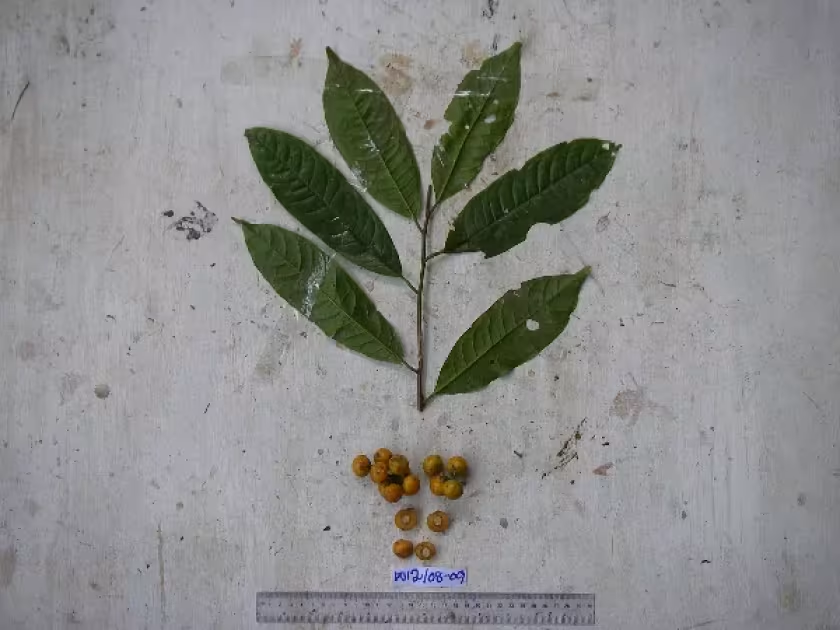
Description
Sowing dates
Horsfieldia subtilis is a perennial tree species belonging to the Myristicaceae family. In its natural tropical habitat, propagation primarily occurs through seeds distributed by birds and mammals, which thrive in moist forest floor conditions.
For agricultural cultivation, seeds must be planted immediately after maturation, as they lose viability rapidly due to their high moisture content. A well-drained, nutrient-rich soil medium is essential to promote healthy seedling emergence.
Nursery practices involve removing the outer seed pulp to reduce fungal growth risks. The germination process requires constant temperatures between 25°C and 30°C and high humidity levels throughout the early growth stages.
Seedlings are typically nurtured in shade houses to protect them from excessive solar radiation during their first months. Gradual exposure to sunlight is necessary to harden the saplings before they are transplanted into the main field.
Success in propagation relies on maintaining a consistent moisture balance in the potting mix, preventing both desiccation and anaerobic conditions that can lead to root decay.
Growing requirements
This species is well-suited for high-rainfall tropical climates, requiring significant annual precipitation to maintain its physiological functions. It performs best in deep, fertile soils that facilitate robust root architecture.
While the tree can tolerate partial shade when young, it requires increased light levels as it matures to achieve optimal growth rates. Adequate soil drainage is critical to prevent waterlogging, which the species does not tolerate well.
Nutrient management is essential, particularly in areas where tropical rains leach minerals from the soil. Periodic application of organic matter helps maintain soil structure and supports long-term tree health.
Protection from extreme wind conditions is necessary for young plantations, as the saplings are susceptible to mechanical damage. Windbreaks are often used to mitigate these risks in open field environments.
Maintaining a weed-free zone around the base of the tree is a vital part of standard silvicultural management, as it reduces competition for water and essential micronutrients during the establishment phase.
Harvesting
The primary economic value of Horsfieldia subtilis is derived from its timber. The wood is utilized for a variety of general carpentry purposes, light construction, and the manufacturing of furniture pieces in its native range.
Sustainable harvesting strategies involve selective felling, which allows for the continuous production of wood while maintaining the broader biodiversity of the forest ecosystem. This approach is preferred for long-term land management.
After harvesting, timber must be treated and dried in controlled conditions to ensure stability. Proper processing techniques minimize internal stresses and surface cracks, resulting in high-quality building materials.
Research into the phytochemical properties of the bark and seeds continues, with emerging interests in its potential applications within the pharmaceutical industry due to the presence of secondary metabolites.
Wood residues generated during milling are often repurposed as organic compost or fuel, contributing to a circular approach in the agricultural and forestry utilization of this tropical resource.