
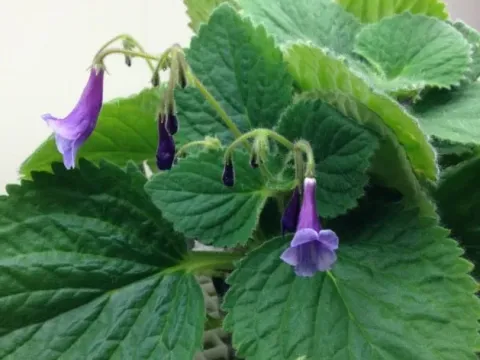
Damrongia
Damrongia
Damrongia is a distinct genus within the Gesneriaceae family, characterized by its delicate morphology and specific ecological preferences. These plants are primarily valued in botanical collections and specialty agriculture for their exotic appearance.
What the section contains
Damrongia
Native to Southeast Asia, these plants naturally thrive in tropical rainforest environments. Their native habitat consists of shaded, humid forest floors where they benefit from high atmospheric moisture and consistent temperatures.
For successful cultivation, the substrate must be highly porous and rich in organic matter. A well-balanced mix typically includes peat, perlite, and pine bark to ensure optimal drainage and aeration of the root system.
The climate requirements include maintaining stable temperatures between 20°C and 25°C. They are strictly sensitive to direct sunlight, which can scorch the leaves; therefore, bright, indirect light is essential for healthy vegetative growth.
Proper water management is the most critical factor in their agrotechnology. The soil should remain consistently moist but never waterlogged, as poor drainage is the primary cause of plant failure in this genus.
The primary threats to Damrongia health are associated with fungal infections triggered by inadequate soil management. Pathogens such as Pythium and Phytophthora often attack the root system if aeration is insufficient.
Pest pressures are typical for tropical indoor plants, with spider mites and mealybugs being the most prevalent. These pests thrive in environments with poor air circulation and low humidity.
Preventative measures should focus on maintaining hygiene in the growing space. Sterilizing the substrate before planting and inspecting new foliage regularly significantly reduces the risk of pest establishment.
Chemical control must be approached with caution due to the plant's sensitivity to synthetic compounds. Organic oils and biological controls are generally preferred for managing minor infestations.
Integrated pest management strategies involve monitoring for leaf discoloration or wilting, which are often the earliest indicators of an underlying pathological issue or environmental stress.