
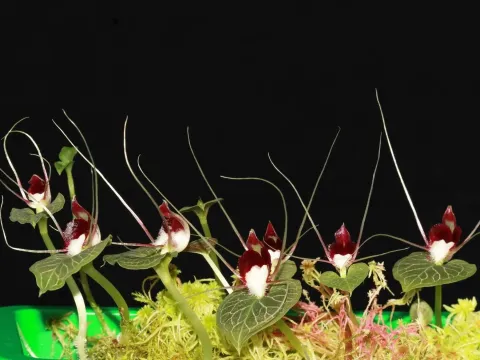
Corybas
Corybas
Corybas is a genus of miniature terrestrial herbs belonging to the Orchidaceae family, comprising over 100 species. In the wild, these plants are primarily found in shaded, humid forests spanning from the Himalayas to Australia and the Pacific Islands.
What the section contains


Corybas
The culture requires specific conditions closely mimicking natural forest ecosystems. Successful growth necessitates a loose, moisture-retentive, yet well-aerated substrate made of leaf litter, sphagnum moss, and charcoal.
These plants are sensitive to temperature fluctuations and require high levels of atmospheric humidity. In cultivation, they are usually kept in terrariums or specialized enclosures with stable humidity levels exceeding 70-80%.
Light levels for Corybas should be diffused, as direct sunlight is detrimental to their delicate leaf blades. Shading is strictly recommended to prevent thermal stress and the overheating of the root system.
Agricultural management involves regular but moderate watering using soft, settled water. It is crucial to prevent water stagnation in the pot, as the small tubers of Corybas are highly susceptible to rapid rotting if drainage is inadequate.
The primary threats to this genus are fungal and bacterial infections, which stem from excessive moisture and poor air circulation within the growing environment.
Root rot is the most common cause of mortality for these orchids. Upon detecting signs of decay, it is essential to perform an emergency transplant into sterile, fresh substrate.
Pests such as spider mites and mealybugs may infest Corybas if the air in the growing area becomes too dry. Prevention is best achieved through regular monitoring and strict maintenance of microclimate parameters.
Improper substrate pH significantly impacts the health of mycorrhizal fungi, which are vital for the symbiotic nutrient uptake of Corybas. The absence of a healthy fungal partner invariably leads to the gradual decline of the plant.
Mechanical damage to the tubers during repotting provides an entry point for pathogens. Therefore, any handling of the root system must be performed with extreme caution using sanitized equipment.