
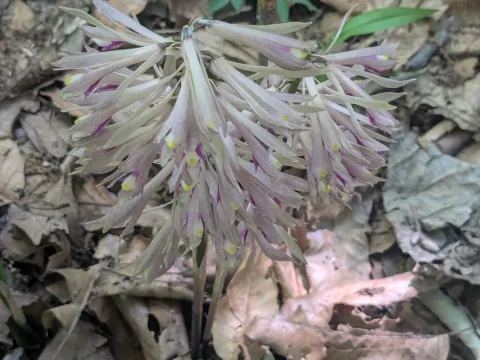
Cremastra
Cremastra
Cremastra is a genus of perennial herbaceous plants belonging to the Orchidaceae family. These plants are primarily native to East Asia, thriving in the forest habitats of countries such as China, Japan, and Korea where they grow in organic-rich soils.
What the section contains


Cremastra
The plant requires specific environmental conditions, characterized by high humidity levels and filtered, indirect light. In agricultural settings, mimicking the natural understory environment is essential to prevent physiological stress and ensure consistent growth cycles.
Soil requirements involve a substrate that is both moisture-retentive and highly breathable. A mix commonly includes orchid bark, sphagnum moss, and leaf mold to maintain a slightly acidic pH level and prevent the compaction of the root system.
Climate needs are centered around moderate temperatures that mirror subtropical seasonal shifts. Maintaining adequate air circulation is critical, as stagnant air significantly increases the risk of developing mold or bacterial issues within the plant collection.
The primary economic use of Cremastra centers on its pharmacological properties. The tubers are utilized in traditional and modern medicinal practices for their active compounds, which exhibit various therapeutic benefits, often processed into extracts or topical applications.
The most significant threats to Cremastra include root rot and stem rot, which typically arise from overwatering or inadequate substrate drainage. These fungal diseases can rapidly decimate a plant population if not identified and addressed immediately.
Common pests include spider mites and aphids, which thrive in environments where proper hygiene and air exchange are neglected. These insects can cause damage by feeding on cell sap, which often leads to decreased plant vigor and yellowing of foliage.
Effective management strategies involve a combination of biological and chemical control measures. Regular scouting for early symptoms of infestation is vital, as is the immediate isolation of infected individuals to prevent the spread of pathogens.
Sanitation practices such as the sterilization of pruning tools and the use of sterile potting media are fundamental in preventing the transmission of viruses. These infections are particularly dangerous to orchids and often prove irreversible.
Integrated pest management protocols, focusing on maintaining optimal plant health, provide the best defense against threats. Healthy plants are inherently more resilient to minor attacks and demonstrate superior recovery rates after seasonal stressors.