
Corybas rivularis
Corybas rivularis
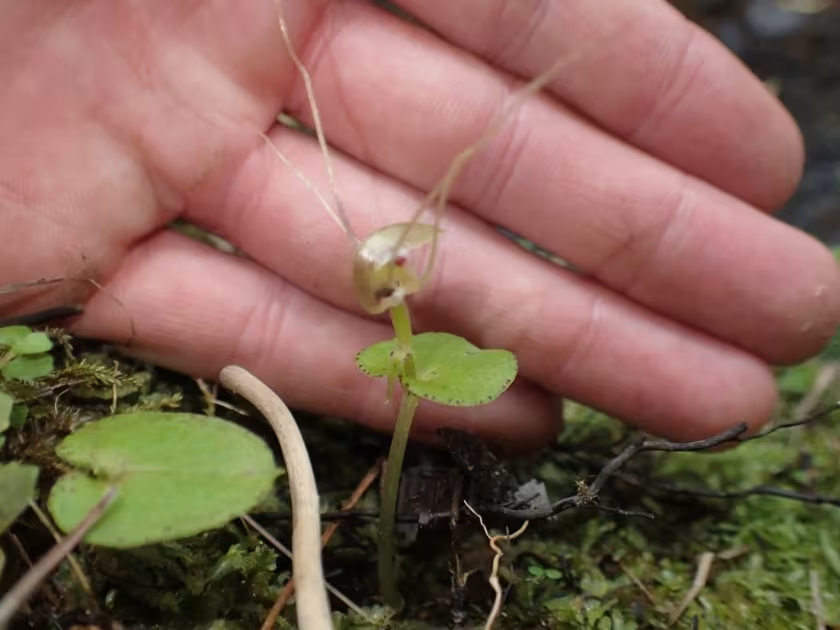
Description
Growing requirements
Corybas rivularis is a species of terrestrial orchid belonging to the Orchidaceae family. Native to the damp forest habitats of New Zealand, this plant is recognized for its unique, helmet-shaped flowers and low-growing, single-leaf habit.
The cultivation requirements for this orchid focus on mimicking its natural environment. It thrives in a well-draining, moisture-retentive substrate composed of sphagnum moss, bark, and decomposed organic matter to ensure healthy root development.
Climate control is essential for successful propagation, with a preference for cool to temperate conditions and high humidity. It is critical to avoid extremes in temperature, as the plant is susceptible to stress when exposed to excessive heat or drought.
Light intensity should be kept low to moderate, with strictly indirect light required to prevent leaf scorching. Many growers utilize specialized greenhouse setups or controlled indoor environments to regulate light exposure effectively throughout the seasons.
In terms of usage, Corybas rivularis is strictly a specialty plant for botanical collections and serious enthusiasts. Due to its challenging nature, it is not used in general agriculture, and its propagation relies on delicate division techniques during the dormancy phase.
Main diseases and pests
The primary threats to Corybas rivularis include fungal infections, which often manifest as root and crown rot when the substrate remains excessively damp. Ensuring proper air circulation around the plants is a vital component of integrated disease management.
Pests such as aphids and spider mites may also affect the plant, particularly in low-humidity environments. Regular inspection and maintaining optimal moisture levels are the most effective ways to mitigate the risk of infestation by common horticultural pests.