
Corybas trilobus
Corybas trilobus
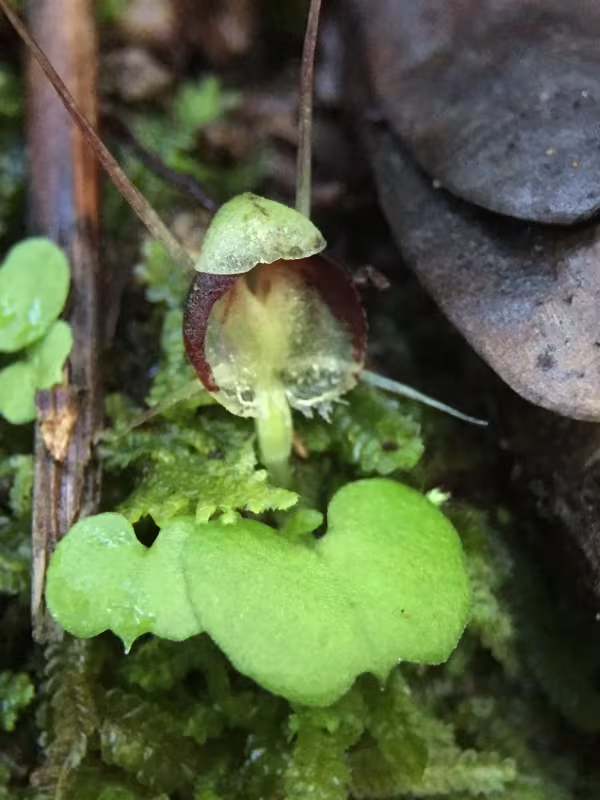
Description
Growing requirements
Corybas trilobus is a rare species of terrestrial orchid belonging to the Orchidaceae family. Known for its small, heart-shaped leaves and ground-level flowering habit, it is primarily native to the humid rainforests of Southeast Asia.
This species is highly specialized, typically growing in deep shade on mossy forest floors. Its growth cycle is closely linked to seasonal rainfall patterns, which dictate the dormancy and active phases of the plant.
Cultivation requires a highly controlled microclimate. It is best suited for terrarium culture, where humidity can be kept consistently high, ideally between 75% and 90%, and temperatures can be kept stable.
The potting medium must be light and airy, consisting of a mix of fine bark, perlite, and live sphagnum moss. Maintaining a slightly acidic pH level is essential for the plant to thrive and absorb necessary nutrients.
Light levels should be low; direct sunlight will cause rapid dehydration and scorching of the delicate foliage. Even in terrariums, artificial lighting should be filtered or diffused to prevent heat buildup.
Main diseases and pests
The most significant threat to Corybas trilobus is root rot, resulting from stagnant water and poor drainage. Ensuring that the substrate remains damp but never waterlogged is the key to preventing fungal decline.
Pests such as fungus gnats often thrive in the humid environments required by the orchid. Their larvae can damage the root system, so managing the substrate environment is critical to keep their populations in check.
Scale insects and aphids can occasionally infest the foliage. Manual removal using a soft brush or diluted organic pesticides is recommended, as the plant is sensitive to harsh chemical treatments.
Environmental stress caused by temperature fluctuations often leads to premature dormancy or plant death. It is vital to maintain a consistent environment throughout the entire growing season.
Nutrient toxicity can occur if fertilizers are applied in high concentrations. Use only highly diluted orchid fertilizers and only during the active growth period to avoid burning the sensitive tubers.