
Cordyline
Cordyline
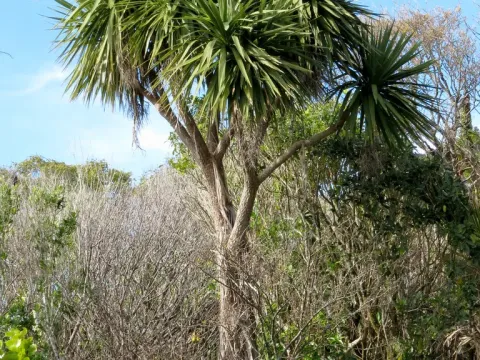
Cordyline is a genus of woody plants belonging to the Asparagaceae family. These plants are known for their thick rhizomes and palm-like growth habit, featuring long, sword-shaped leaves that often exhibit striking variegation in shades of red, pink, and cream.
What the section contains


Cordyline
The plant originates from the tropical and subtropical regions of Southeast Asia, Australia, and the Pacific Islands. Commercially, it is grown extensively as an ornamental foliage crop for indoor and outdoor landscape applications, particularly in warmer climatic zones.
Successful cultivation requires a well-draining, nutrient-rich potting medium. The soil should be slightly acidic to neutral, allowing for sufficient air exchange to prevent root suffocation. Over-compaction of the soil can severely inhibit the plant's growth and vigor.
Climate requirements include a stable temperature range of 18°C to 26°C. Cordyline thrives in bright, indirect light; direct exposure to intense afternoon sun can cause leaf scorch, particularly in variegated varieties. Consistency in watering is key to maintaining healthy foliage development.
Agricultural use extends beyond aesthetics. In many Pacific cultures, the starchy roots (rhizomes) of Cordyline fruticosa have been utilized as a food source after baking, and the leaves have historically served as materials for weaving, textiles, and traditional ceremonies.
The primary pathological threats include Fusarium wilt and various leaf spot diseases, typically triggered by improper irrigation and poor ventilation within the greenhouse environment.
Common pests affecting Cordyline include mealybugs, spider mites, and scale insects. Integrated pest management (IPM) practices, involving regular sanitation and targeted application of acaricides or insecticides, are essential for maintaining crop health.