
Cordyline stricta
Cordyline stricta
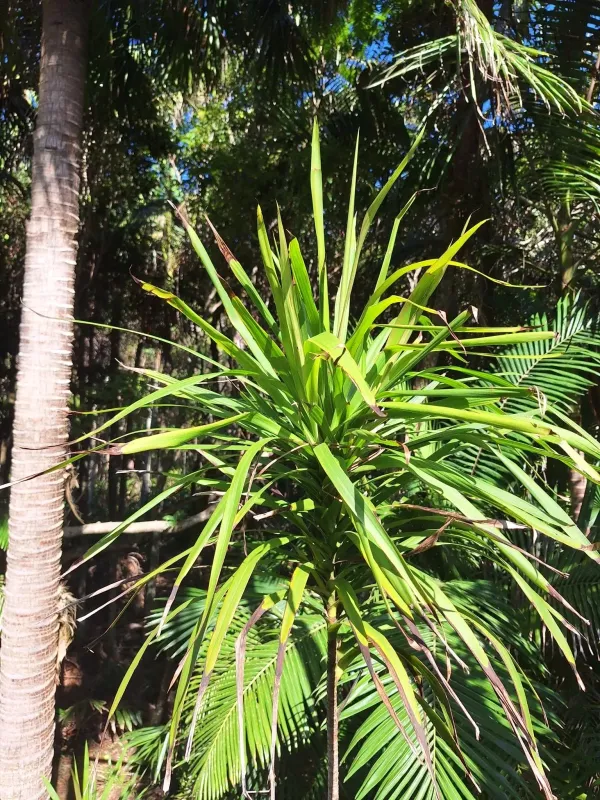
Description
Growing requirements
Cordyline stricta is a perennial evergreen plant belonging to the Asparagaceae family. It is native to the coastal rainforests of eastern Australia, where it flourishes in shaded and humid environments.
This crop prefers bright, indirect sunlight to maintain its vibrant foliage color. Harsh, direct midday sun can scorched the thin, lance-shaped leaves, resulting in permanent tissue damage.
Regarding climate, the plant thrives in temperatures between +18°C and +24°C. It is not frost-tolerant, making it suitable for indoor cultivation in temperate regions or outdoor gardening in strictly subtropical climates.
The soil requirements focus on excellent drainage and organic richness. A mixture of peat, loam, and coarse sand provides the necessary structure to prevent waterlogging, which is critical for root health.
Consistent watering is essential during the growing season. The substrate should be kept slightly moist but never waterlogged; allowing the top layer of soil to dry out between waterings helps prevent root issues.
Main diseases and pests
Spider mites are common pests that thrive in low-humidity environments. Regular inspection of leaf undersides and maintaining adequate humidity levels are the best preventive measures against these insects.
Scale insects often manifest as small, brown, raised bumps on stems and leaves. They extract sap, which can weaken the plant; manual removal using alcohol-soaked cotton swabs is recommended for minor infestations.
Root rot caused by Phytophthora or Pythium fungi is the most dangerous disease for Cordyline stricta. It typically occurs due to excessive watering or poor drainage in the potting mix.
Leaf spot diseases are often triggered by stagnant air and moisture trapped on the leaf surface. Improving air circulation around the plants can significantly reduce the incidence of these fungal infections.
Mealybugs can also infest the plant, leaving behind a white, cottony residue. Application of neem oil or systemic insecticides is effective for long-term control of these persistent pests.