
Danae
Danae
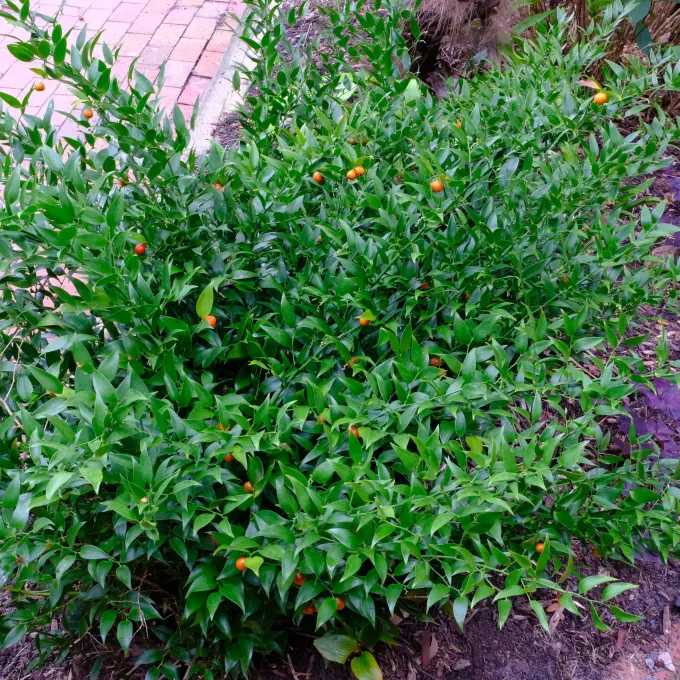
Description
Growing requirements
Danae racemosa, commonly known as the Alexandrian laurel, is a distinct evergreen shrub belonging to the Asparagaceae family. It is recognized for its glossy, dark green phylloclades that resemble leaves and its graceful, arching stems.
Native to the forests of the Caucasus, Iran, and Turkey, the plant thrives in shaded, sheltered environments. It is best adapted to mild climates and is known for its slow growth rate and perennial nature.
The culture requires rich, well-draining soil with a slightly acidic to neutral pH. It is crucial to ensure that the site provides sufficient moisture while avoiding waterlogged conditions, which can be detrimental to its root system.
In terms of light, Danae prefers filtered shade. Exposure to intense, direct sunlight often causes bleaching and scorch marks on the phylloclades, significantly reducing their ornamental value.
Agricultural practices involve consistent watering during dry spells and the application of organic mulch to keep the roots cool and moist. Providing a sheltered spot protected from cold winds is essential for winter survival.
Main diseases and pests
Danae racemosa is relatively robust but can be prone to specific issues if environmental conditions are not ideal. Overwatering is the primary cause of root rot, which is a frequent threat to the plant's health.
Pests such as scale insects and aphids may occasionally infest the plant, particularly in sheltered or poorly ventilated areas. Regular monitoring of the underside of the foliage is recommended to catch infestations early.
Fungal leaf spot diseases can occur during prolonged periods of high humidity. Improving airflow around the shrub is the most effective preventative measure against these infections.
When chemical intervention is required, insecticidal soaps or horticultural oils are often preferred over harsh chemicals to preserve the plant's foliage appearance for ornamental use.
Maintaining soil structure and preventing compaction is key to a healthy immune system, as poor soil aeration weakens the plant and increases susceptibility to opportunistic pathogens.
Harvesting
The primary economic use for Danae is in the floral industry, where it is highly valued for its long-lasting, deep green foliage. It is commonly used as a structural base in professional bouquets and arrangements.
Harvesting is performed by selectively pruning mature stems. Proper cutting technique ensures the plant continues to produce new shoots, maintaining a sustainable cycle for the ornamental grower.
Cut stems should be handled carefully to avoid damaging the glossy surface of the phylloclades. They generally exhibit excellent vase life, often remaining vibrant for several weeks with minimal water changes.
For commercial production, the timing of the harvest is critical; stems are usually harvested when the phylloclades are fully expanded and have reached their characteristic rich, dark coloration.
Given the plant's slow growth rate, the harvest must be managed thoughtfully, ensuring that the parent plant retains enough foliage to sustain its growth and overall health throughout the season.