
Cordyline obtecta
Cordyline obtecta
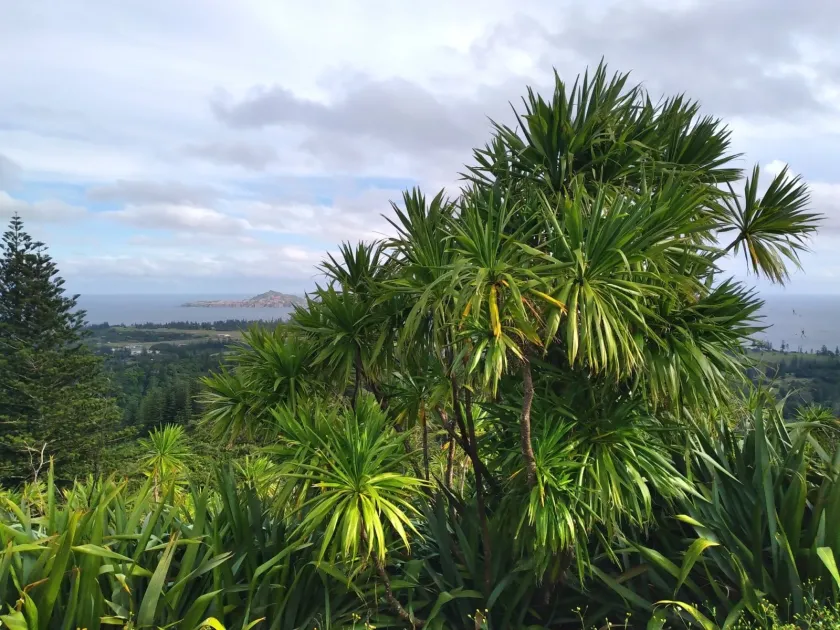
Description
Sowing dates
Vegetative propagation is the most common and reliable method for Cordyline obtecta, typically involving stem cuttings taken during the early growth season.
Cuttings should be placed in a warm, humid environment with a well-draining substrate to encourage root development without the risk of rot.
Seed propagation is possible but requires high-quality, fresh seeds and consistent soil temperatures ranging from 22 to 25 degrees Celsius.
It is crucial to maintain high humidity around the germinating seeds, often achieved by covering the seed trays with clear plastic or glass.
Once seedlings have reached sufficient size, they are transplanted into individual containers, allowing them to establish a robust root system before maturation.
Growing requirements
Cordyline obtecta belongs to the Asparagaceae family and is native to the coastal regions of New Zealand, specifically the Three Kings Islands.
This species is highly valued for its striking architectural appearance, featuring a stout, woody trunk topped with dense clusters of leathery, sword-shaped leaves.
The plant thrives in fertile, well-draining soil with a neutral to slightly acidic pH, requiring consistent but moderate moisture levels throughout the year.
In terms of light, it performs best in bright, indirect light conditions, as excessive direct sun can scorch the foliage during peak summer months.
Climate tolerance is restricted to mild, frost-free environments; it requires protection from severe cold and can be grown indoors where winters are harsh.
Main diseases and pests
Mealybugs and scale insects represent the most common pest threats to Cordyline obtecta, often settling in leaf axils where they are difficult to reach.
Spider mites can become problematic in low-humidity environments, manifesting as fine webbing and causing discoloration of the leaf surfaces.
Overwatering is the primary cause of physiological stress, leading to root rot pathogens that can quickly compromise the plant's health.
Prevention involves maintaining good airflow around the foliage and avoiding overhead watering, which can encourage fungal growth on leaves.
If an infestation occurs, horticultural oils or systemic insecticides are generally effective when applied in accordance with agricultural standards.