
Danae racemosa
Danae racemosa
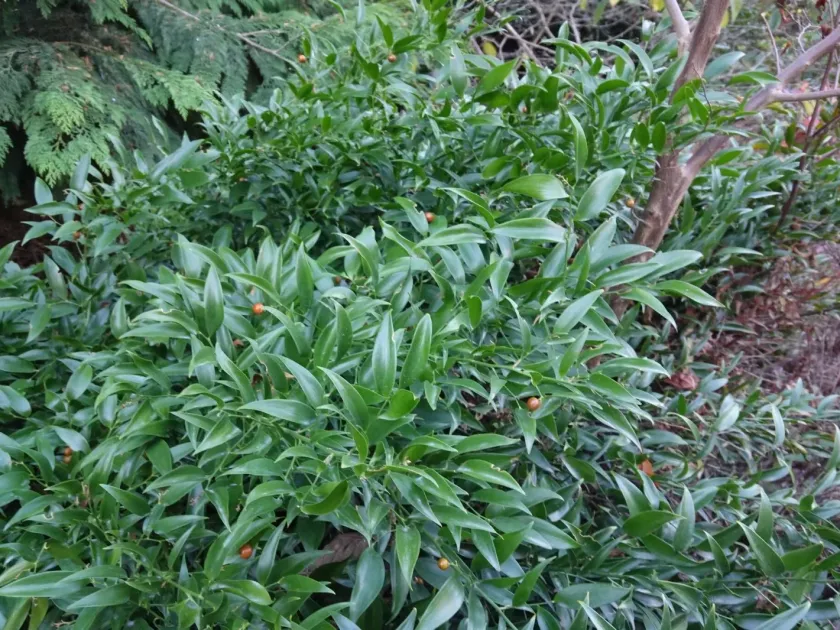
Description
Growing requirements
Danae racemosa, commonly known as the Alexandrian laurel, is an elegant evergreen shrub belonging to the Asparagaceae family. It is prized in horticulture for its glossy, dark green foliage that provides a refined aesthetic throughout the year.
The plant thrives in shaded or semi-shaded environments, mimicking its native habitat in the Caucasus and Western Asia. Direct sunlight should be avoided, as it causes severe scorching of the leaf-like structures, known as cladodes.
Ideal soil conditions include a rich, well-draining organic medium. The plant prefers a slightly acidic to neutral pH. Proper drainage is essential to prevent root rot, as the species is highly sensitive to waterlogged soil conditions.
Climate-wise, Danae racemosa prefers mild, frost-free winters. In colder regions, it must be grown in containers and moved indoors or into a greenhouse during the winter months to protect it from extreme freezing temperatures.
Cultivation requires regular, moderate irrigation, ensuring the soil remains moist but not saturated. Light mulching helps retain soil moisture and suppresses weeds, providing the plant with the stable root environment it requires to thrive.
Main diseases and pests
Danae racemosa is generally resilient but remains susceptible to root rot if watering practices are inconsistent. Ensuring the planting medium is well-aerated is the most effective preventative measure against soil-borne pathogens.
Scale insects are the most significant pests affecting this crop. They tend to cluster on the underside of the cladodes, where they are shielded from direct contact, making them difficult to detect until an infestation is well-established.
Management of pest populations involves monitoring and the application of suitable horticultural oils or systemic insecticides when necessary. Regular inspections are vital to catch early signs of distress or insect activity.
Environmental stress, particularly low humidity, can occasionally invite spider mites. Maintaining adequate air circulation around the plants helps to reduce the likelihood of mite outbreaks and promotes overall vigor.
Good cultural practices, including the removal of dead or damaged stems and the use of sterile pruning equipment, go a long way in maintaining a healthy, disease-free collection of these ornamental shrubs.
Harvesting
The primary commercial use of Danae racemosa is in the floral industry, where its foliage is highly valued as a long-lasting filler. Its ability to remain fresh for weeks makes it a staple for florists worldwide.
Harvesting involves cutting mature, healthy stems with sharp tools to ensure clean wounds. It is important not to over-harvest, as the plant grows relatively slowly and needs time to regenerate its vegetative mass.
Post-harvest care is crucial; stems should be hydrated immediately after cutting. Maintaining low temperatures during storage significantly extends the shelf life and quality of the foliage, ensuring it meets high market standards.
In landscaping, this plant is used to create lush, evergreen groundcovers in deep shade where other plants struggle to grow. Its slow growth rate makes it a low-maintenance choice for permanent garden fixtures.
Strategic planting and proper spacing are recommended for commercial farms to facilitate easy access during the harvest season. This organization helps maintain the health of the plants while maximizing the annual foliage yield.